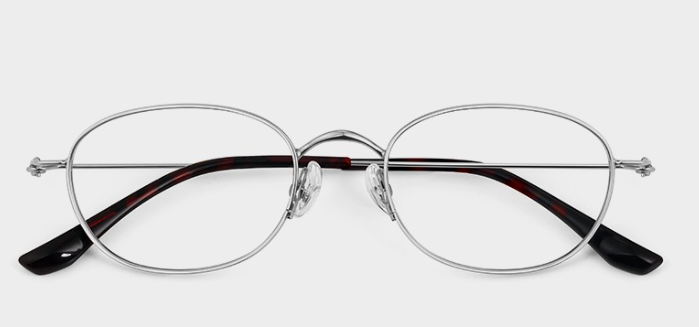
A buyer-focused guide to titanium glasses: their benefits, drawbacks, and whether the premium price is justified for different users.
1. Core Benefits of Titanium Glasses
Titanium frames offer three standout advantages over common materials like plastic or stainless steel:
Ultra-lightweight: Titanium is roughly half the weight of steel, reducing pressure on the nose bridge and temples for all-day comfort.
Hypoallergenic: Commercially pure titanium does not contain nickel, making it ideal for people with sensitive skin or metal allergies.
Durable & flexible: Titanium has excellent shape memory and corrosion resistance. It resists bending, breaking, and tarnishing, maintaining its finish for years.
2. Are They Worth the Cost?
Whether titanium glasses are worth it depends on your priorities:
✅ Worth it if you:
Wear glasses daily and prioritize comfort
Have sensitive skin or metal allergies
Want a durable frame that will last for years
Need a lightweight option for kids or active use
❌ Not a priority if you:
Only wear glasses occasionally
Are on a tight budget
Prefer cheap, disposable-style frames
3. Buyer Tips for Titanium Glasses
When sourcing or purchasing titanium eyewear, look for these details:
Grade: Most frames use Grade 1 or Grade 2 pure titanium, or titanium alloys (like β-titanium) for added flexibility.
Material test reports (MTRs): Verify the frame is made of pure titanium, not a plated or mixed-metal imitation.
Fit and finish: Check for smooth welds and coatings; poor quality titanium frames can still cause irritation if not properly finished.
FAQ4 min read·2026-05-23
Are Titanium Glasses Worth It?
A practical guide for buyers: whether titanium glasses are worth the premium, their key benefits (lightweight, hypoallergenic, durable), grade differences, sourcing tips, and what to look for in an RFQ.