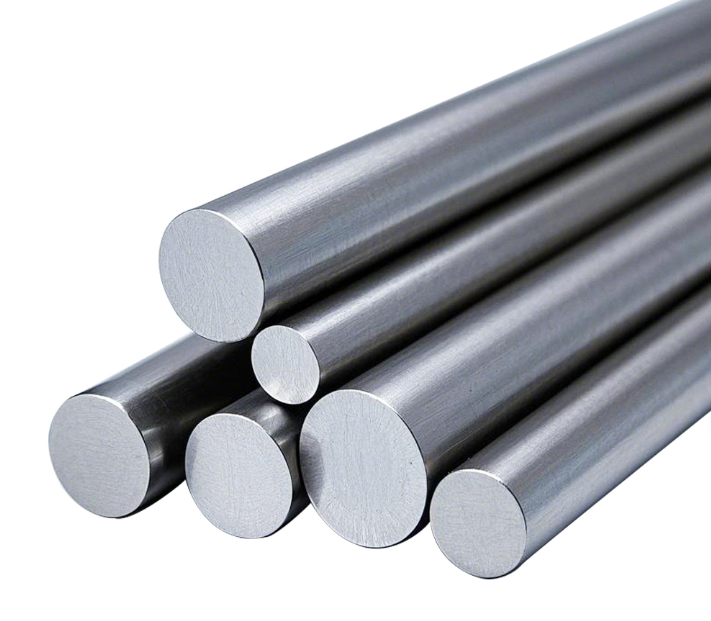
If you’re sourcing ASTM B348 titanium bars for aerospace, medical devices, chemical processing, or industrial manufacturing, quality and compliance are everything. Many buyers run into issues like inconsistent material performance, wrong grade selection, or non-compliant batches simply because they don’t fully understand the ASTM B348 standard.
ASTM B348 is the most widely accepted industrial specification for titanium bars and titanium alloy billets worldwide. It defines every critical detail buyers need to check: chemical composition, mechanical properties, dimensional tolerances, surface quality, and official certification requirements.
In this practical buyer’s guide, we’ll explain what ASTM B348 covers, the best ASTM B348 titanium grades for different applications, key standard requirements, necessary procurement documents, and common mistakes to avoid when buying titanium bars.
What Is the ASTM B348 Standard for Titanium Bars?
ASTM B348 is an official material standard issued by ASTM International, specifically designed for titanium bars and titanium alloy billets used in industrial, aerospace, medical, and marine environments. Simply put, it is the global quality benchmark for rolled and forged titanium bar products.
This standard applies to both commercially pure titanium and alloy titanium grades supplied in straight lengths for machining, forging, and further processing. Any titanium bar marked ASTM B348 compliant must meet fixed industry criteria for consistency, durability, and safety.
For buyers, following ASTM B348 rules means you avoid low-quality, substandard titanium materials that fail pressure resistance, corrosion resistance, or strength requirements in real-world projects. It also simplifies cross-border purchasing, third-party inspection, and quality verification.
ASTM B348 Titanium Grades: Which Grade Should You Buy?
One of the biggest purchasing errors is choosing the wrong ASTM B348 titanium grade. Each grade has unique strength, ductility, and corrosion resistance features, tailored for specific working conditions. Below are the most common and practical grades you will encounter in titanium bar procurement.
Commercially Pure Titanium Grades (Grade 1 / Grade 2 / Grade 3 / Grade 4)
ASTM B348 Grade 1 titanium bar is the softest and most formable pure titanium grade. It offers excellent corrosion resistance and weldability, making it ideal for chemical processing equipment, heat exchangers, and industrial components that require flexible forming without high mechanical stress.
ASTM B348 Grade 2 titanium bar is the most popular general-purpose titanium grade. It delivers a balanced performance of strength, ductility, and anti-corrosion ability. Most marine hardware, architectural titanium parts, and standard industrial projects use Grade 2 titanium bars for stable quality and cost efficiency.
ASTM B348 Grade 3 titanium bar provides higher tensile strength than Grade 2 while maintaining good formability. It is widely used for pressure vessels, industrial piping, and corrosion-resistant equipment that needs to withstand moderate mechanical loads.
ASTM B348 Grade 4 titanium bar is the strongest commercially pure titanium grade under ASTM B348. It features high structural stability and is commonly used for titanium fasteners, structural parts, and high-stress industrial components where pure titanium material is required.
Alloy & Special ASTM B348 Titanium Grades (Grade 5 / Grade 7 / Grade 12)
ASTM B348 Grade 5 titanium bar (Ti-6Al-4V) is the top-selling titanium alloy grade globally. With outstanding strength, fatigue resistance, and heat-treatable performance, it is the primary choice for aerospace components, medical implant parts, and high-performance automotive titanium components.
ASTM B348 Grade 7 titanium bar contains a small amount of palladium, delivering superior corrosion resistance against acidic environments. Buyers mainly select Grade 7 for chemical industry equipment that handles hydrochloric acid and aggressive corrosive media.
ASTM B348 Grade 12 titanium bar is a modified pure titanium grade with molybdenum and nickel elements added. It improves overall strength and seawater corrosion resistance compared to Grade 2, perfect for offshore oil and gas equipment and long-service marine titanium parts.
Core ASTM B348 Requirements Every Buyer Must Verify
To guarantee your ASTM B348 titanium bar order is fully compliant, you need to check four core standard requirements before accepting shipment.
1. Chemical Composition Compliance
ASTM B348 defines strict chemical limits for iron, oxygen, nitrogen, hydrogen, carbon, and alloy elements for each titanium grade. These chemical standards directly determine the material’s corrosion resistance, weldability, and mechanical stability. Always check the supplier’s MTR report to confirm full chemical compliance with ASTM B348 specifications.
2. Standard Mechanical Properties
Every ASTM B348 titanium grade has fixed minimum tensile strength, yield strength, and elongation values. These mechanical data ensure the titanium bar can withstand the load, bending, and pressure requirements of your application. For high-stress aerospace and structural projects, mechanical property verification is mandatory.
3. Dimensional Tolerance Standards
ASTM B348 regulates diameter tolerance, length tolerance, straightness, and surface roundness for all titanium bars. Hot-finished titanium bars have loose tolerances for rough machining, while cold-finished and ground titanium bars have tight precision tolerances for high-precision component production. Buyers must clarify tolerance requirements in advance to avoid unqualified sizes.
4. Qualified Surface Condition
Qualified ASTM B348 titanium bars can be supplied in descaled, sandblasted, or ground surface status. The surface must be free of cracks, scratches, and oxidation defects that affect machining and service life. Precision medical and aerospace projects usually require ground smooth surface titanium bars.
Mandatory Documentation for ASTM B348 Titanium Bar Procurement
No order is truly ASTM B348 compliant without complete official documents. Professional buyers always request the following certificates to ensure full traceability and quality authenticity.
First, a full Material Test Report (MTR) is essential. It records the complete chemical composition, mechanical test results, heat treatment status, and heat lot number of the titanium bar batch.
Second, suppliers must provide a Certificate of Compliance (CoC) to confirm the products fully meet ASTM B348 standard specifications.
Third, complete traceability documents are required for aerospace, medical, and offshore projects, ensuring every titanium bar can be tracked back to its original production batch.
For high-standard projects, third-party independent inspection reports can also be added to double-check ASTM B348 compliance.
Top ASTM B348 Titanium Procurement Mistakes to Avoid
Many purchasing failures happen due to simple but avoidable errors when sourcing titanium bars.
First, mismatching titanium grades with application scenarios. Using low-strength Grade 2 bars for high-stress structures or expensive Grade 5 alloy for general corrosion-resistant projects will cause safety risks or cost waste.
Second, failing to specify dimensional tolerances. Without clear tolerance requirements, suppliers may deliver standard loose-tolerance bars that cannot fit precision machining molds.
Third, accepting incomplete certification documents. Incomplete MTR or CoC files will lead to inspection failure and project delays.
Fourth, cooperating with non-professional suppliers. Only experienced titanium manufacturers can maintain stable ASTM B348 batch consistency and long-term quality control.
Conclusion
ASTM B348 is the core quality standard for global titanium bar procurement. Understanding grade differences, standard technical requirements, tolerance rules, and certification specifications allows buyers to select the most suitable titanium bars for aerospace, medical, chemical, marine, and industrial applications.
By avoiding common procurement mistakes and verifying complete compliance documents, you can effectively control material quality, reduce project risks, and stabilize your titanium material supply chain.
Standards8 min read·2026-05-21
ASTM B348 Titanium Bar: A Complete Guide for Buyers
Master ASTM B348 titanium bar procurement: learn key requirements, grade options, tolerances, and essential documentation to ensure quality and compliance.