Introduction
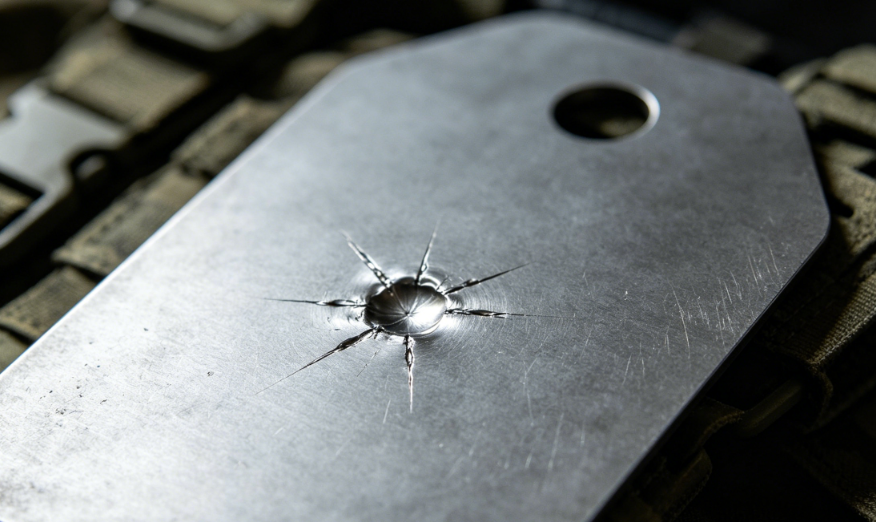
Titanium is often hyped as a “super metal” due to its strength, light weight, and durability. This has led to a common question: can a titanium plate stop a bullet? The answer is not a simple yes or no—it depends on several factors, including the grade, thickness, and type of ammunition.
This guide breaks down titanium’s ballistic potential, compares it to traditional armor materials, and outlines what buyers need to know about specifications, processing, and certification.
The Short Answer: Yes, But With Important Caveats
Titanium can stop bullets, but its effectiveness depends on the following:
Thickness: A thin titanium plate will not stop most bullets, just like any other metal. Thicker plates, especially those made from high-strength titanium alloys, can offer significant protection.
Grade: Not all titanium is equal. Commercially pure (CP) titanium (like Grade 2) is much softer and less effective at stopping bullets than high-strength alloys like Grade 5 (Ti-6Al-4V).
Ammunition Type: Titanium plates can stop lower-velocity rounds like pistol bullets, but high-powered rifle rounds require much thicker, specialized armor.
Why Titanium Is Used in Ballistic Protection
Titanium’s unique properties make it an attractive option for armor applications:
Strength-to-Weight Ratio: Titanium armor is significantly lighter than steel armor of the same protective level. This makes it ideal for applications where mobility is critical, like military body armor or aircraft plating.
Corrosion Resistance: Unlike steel, titanium does not rust, ensuring the armor’s integrity is not compromised by environmental factors.
Durability: Titanium can withstand multiple impacts better than some other materials, reducing the risk of catastrophic failure.
Titanium vs. Traditional Armor Materials
To understand titanium’s place in ballistic protection, it’s helpful to compare it to other common materials:
vs. Steel: Steel is cheaper and more widely used, but it’s much heavier. Titanium offers the same protection at a fraction of the weight.
vs. Aluminum: Aluminum is light but not as strong as titanium. Titanium armor is more durable and offers better protection against higher-velocity rounds.
vs. Ceramic/Composite: Modern body armor often uses ceramic or composite materials, which are lighter than titanium but more brittle. Titanium is more resistant to multi-hit impacts.
Key Considerations for Buyers
If you’re considering titanium for ballistic protection, here’s what you need to know:
Grade Selection: Choose high-strength alloys like Grade 5 (Ti-6Al-4V) for ballistic applications. CP titanium is not suitable for armor.
Thickness and Design: The required thickness depends on the desired protection level (e.g., NIJ standards). Work with a knowledgeable supplier to determine the right dimensions.
Certification: Ballistic armor must meet specific industry standards. Ensure the titanium plate is tested and certified to the relevant level (e.g., NIJ III or IV).
Processing: Titanium armor requires specialized heat treatment and machining to achieve optimal performance. Only work with suppliers experienced in ballistic-grade materials.
Conclusion
Titanium plates can stop bullets, but they are not a one-size-fits-all solution. High-strength titanium alloys offer excellent ballistic protection at a lighter weight than steel, making them ideal for military and specialized applications. However, their effectiveness depends on proper grade selection, thickness, and certification. For most standard applications, traditional materials may still be more cost-effective, but titanium remains a top choice where weight reduction is a critical priority.
FAQ4 min read·2026-06-09
Can a Titanium Plate Stop a Bullet? A Comprehensive Guide to Titanium's Ballistic Potential
A practical CNBJTI answer to "Can a Titanium Plate Stop a Bullet?" exploring titanium's ballistic performance, comparing it to steel armor, key grade specifications, processing requirements, certification standards, and RFQ details buyers need to know.