Introduction
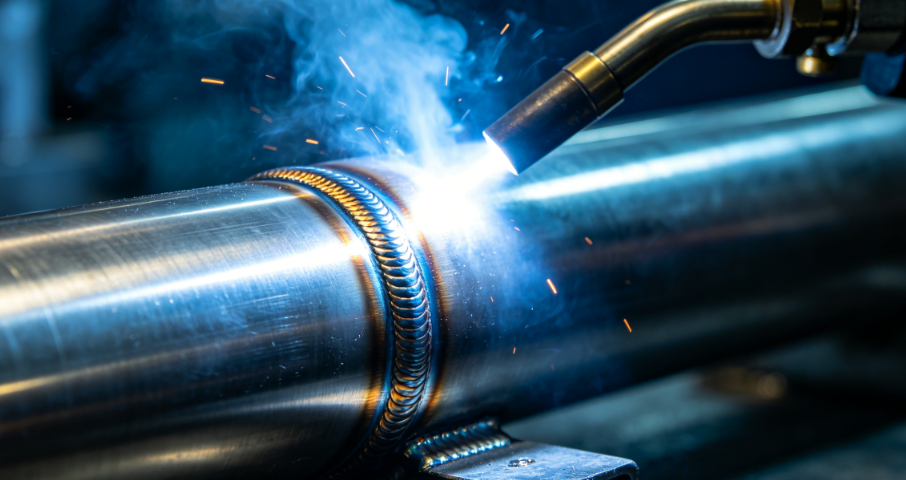
Yes, titanium can absolutely be welded. However, it’s far from straightforward. Titanium’s unique chemical reactivity at high temperatures means it requires specialized techniques, strict cleanliness, and controlled environments to produce strong, corrosion-resistant welds.
This guide answers the question "Can titanium weld?" and breaks down the key challenges, techniques, and best practices for working with this metal.
1. Why Titanium Welding Is Challenging
Titanium is highly reactive when heated above 400°C (750°F), reacting with oxygen, nitrogen, and hydrogen in the air. This leads to:
Contamination: Discolored, brittle welds that are prone to cracking and corrosion failure.
Embrittlement: Even small amounts of contamination can make the weld zone hard and brittle, ruining the joint.
Surface preparation needs: Titanium requires thorough cleaning to remove oils, grease, and oxides before welding.
2. Common Titanium Welding Techniques
The most reliable methods for welding titanium all use inert gas shielding to protect the molten metal:
GTAW (TIG Welding): The industry standard. Uses a tungsten electrode and pure argon shielding gas. Requires full coverage of the weld zone, including the backside of the joint.
Plasma Arc Welding (PAW): Similar to TIG but with a more focused arc, ideal for precision welding of thin titanium sheets.
Electron Beam Welding (EBW): Performed in a high-vacuum chamber, eliminating contamination risk. Used for thick sections and critical aerospace components.
3. Critical Steps for a Successful Titanium Weld
Cleanliness is key: Use stainless steel brushes dedicated only to titanium, and wipe parts with isopropyl alcohol to remove all contaminants.
Backing gas protection: The root side of the weld must also be shielded with argon to prevent oxidation.
Post-weld cooling: Allow the part to cool completely under gas shielding to prevent the hot weld from reacting with air.
Visual inspection: A good titanium weld is silver or straw-colored. Blue, purple, or gray discoloration indicates contamination.
4. Buyer Considerations
When sourcing welded titanium parts, ensure your supplier:
Uses certified welding procedures and trained operators.
Implements strict cleanliness and gas shielding protocols.
Performs non-destructive testing (NDT) like dye penetrant or X-ray to verify weld integrity.
Provides material test reports (MTRs) to confirm the titanium grade meets specifications.
Conclusion
Titanium can be welded, but it demands expertise and precision. By understanding its reactivity challenges and using the right techniques, you can produce welds that maintain titanium’s full strength and corrosion resistance. For buyers, partnering with experienced fabricators is the key to successful titanium welding projects.
FAQ4 min read·2026-06-11
Can Titanium Weld? Everything You Need to Know About Titanium Welding
A practical CNBJTI answer to "Can titanium weld?", exploring the challenges, techniques, and best practices. Includes buyer-focused notes on grade, processing, certification, and key RFQ details.