Introduction
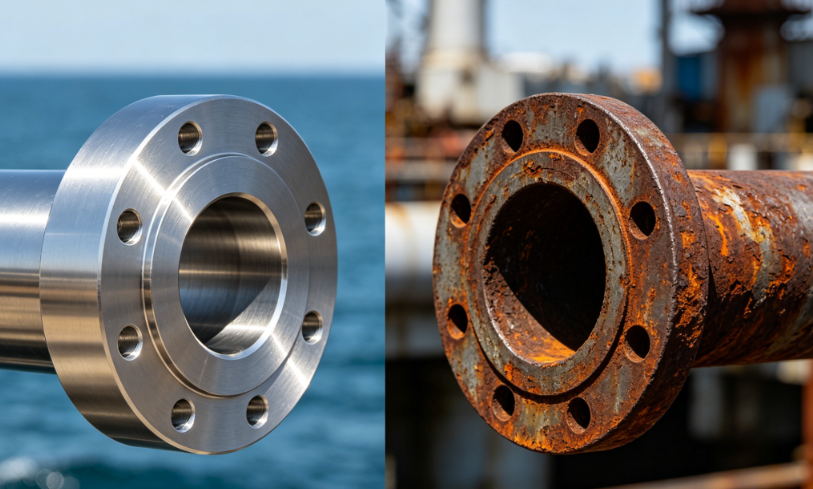
The short answer is: No, titanium does not rust. Unlike iron and steel, titanium does not form iron oxide (rust) when exposed to air or moisture. Instead, it develops a thin, self-healing oxide layer that protects it from corrosion.
This guide explains why titanium is rust-proof, how its corrosion resistance works, and what buyers need to know when selecting materials for corrosive environments.
1. Why Titanium Doesn’t Rust
Rust is iron oxide, formed when iron reacts with oxygen and water. Titanium, being a non-ferrous metal, cannot form rust. Instead:
Passive oxide layer: When exposed to oxygen, titanium immediately forms a thin, invisible layer of titanium dioxide (TiO₂) on its surface.
Self-healing property: If scratched or damaged, this oxide layer reforms instantly in the presence of oxygen, preventing further corrosion.
Immunity to common corrosion: Titanium resists attack from saltwater, acids, and most chemicals, outperforming even high-grade stainless steel.
2. When Titanium Can Corrode (And How to Prevent It)
While titanium is highly corrosion-resistant, it is not completely immune to all environments:
High-temperature reducing acids: In hot, oxygen-free hydrochloric or sulfuric acid, titanium’s oxide layer can break down.
Fluoride contamination: Fluoride ions (found in some cleaning products) can damage the passive layer, leading to localized corrosion.
Galvanic corrosion: If titanium is coupled with a less noble metal (like aluminum or steel) in an electrolyte, the other metal may corrode, but the titanium remains unaffected.
3. Practical Benefits of Titanium’s Rust Resistance
This property makes titanium ideal for a wide range of applications:
Marine hardware: Boat propellers, hull fittings, and desalination plant components withstand years of saltwater exposure without degradation.
Medical implants: Titanium implants are safe in the body’s fluids, which are slightly corrosive, ensuring long-term durability.
Outdoor and industrial use: Pipes, heat exchangers, and architectural components require minimal maintenance, as they won’t rust or need protective coatings.
4. Buyer Considerations
To ensure maximum corrosion resistance in titanium parts:
Choose the right grade: Pure titanium (Grade 1/2) is ideal for most corrosive environments. Alloys like Ti-6Al-4V offer higher strength but may require passivation for optimal resistance.
Proper surface finishing: Mechanical polishing or chemical passivation can enhance the protective oxide layer.
Avoid fluoride exposure: If your application involves fluoride, consult with your supplier to select a more resistant alloy or protective coating.
Conclusion
Titanium does not rust, thanks to its self-healing oxide layer. Its natural corrosion resistance makes it a low-maintenance, long-lasting choice for applications where durability is critical. For buyers, understanding how titanium’s corrosion resistance works helps in selecting the right material and avoiding common pitfalls in harsh environments.
FAQ4 min read·2026-06-12
Does Titanium Rust? Understanding Titanium’s Corrosion Resistance
A practical CNBJTI answer to "Does titanium rust?", exploring its natural corrosion resistance and why it outperforms other metals. Includes buyer-focused notes on grade, processing, certification, and key RFQ details.