Introduction
Titanium is a remarkable metal, prized for its unique combination of properties that make it indispensable in aerospace, medicine, and engineering. From its ultra-high melting point to its exceptional strength-to-weight ratio, every characteristic contributes to its versatility.
This guide explores the core traits of titanium, starting with its melting point and expanding into the key properties that define its performance.
1. Melting Point: Withstanding Extreme Heat
Titanium’s melting point is a testament to its thermal stability:
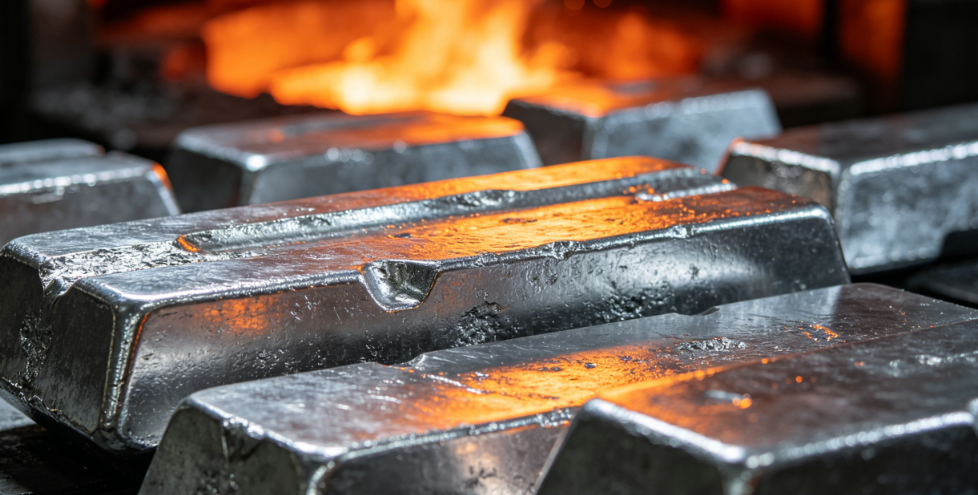
Pure titanium: Melts at approximately 1,668°C (3,034°F), far higher than steel (around 1,500°C) and aluminum (660°C).
Impact on processing: Its high melting point requires specialized melting techniques like vacuum arc remelting (VAR) to avoid contamination, contributing to its production complexity.
High-temperature applications: This stability makes titanium ideal for jet engine components and industrial furnaces, where it retains strength at temperatures that would weaken other metals.
2. Strength-to-Weight Ratio: Lightweight Powerhouse
Titanium’s most famous trait is its unbeatable strength-to-weight ratio:
It is about 45% lighter than steel but offers comparable tensile strength.
This combination makes it the material of choice for aerospace parts, where every gram saved translates to fuel efficiency.
3. Corrosion Resistance: The "Stainless Steel of the Sea"
Titanium forms a self-healing oxide layer when exposed to oxygen, making it nearly immune to corrosion:
It resists saltwater, acids, and chemicals, outperforming stainless steel in harsh marine and industrial environments.
This property eliminates the need for protective coatings, reducing maintenance and extending the lifespan of parts.
4. Biocompatibility: Safe for the Human Body
Unlike many metals, titanium is completely biocompatible:
It does not trigger allergic reactions or inflammation, allowing it to fuse with bone (osseointegration) for medical implants like hip replacements and dental roots.
Its inert nature makes it safe for long-term use inside the human body.
5. Other Key Traits
Low thermal conductivity: Titanium conducts heat poorly, which makes it ideal for heat exchangers but challenging to machine, as heat builds up at the cutting edge.
Non-magnetic: Titanium is not attracted to magnets, making it safe for use in MRI machines and electronic devices.
Conclusion
From its high melting point to its biocompatibility, titanium’s characteristics make it a one-of-a-kind material. While its unique traits can make processing challenging, they are also what make it irreplaceable in so many critical applications. Understanding these properties is key to making the most of titanium in any project.
Titanium Insights4 min read·2026-06-11
Exploring the Characteristics of Titanium: Melting Point, Properties, and Key Traits
A deep dive into the key characteristics of titanium, including its melting point, mechanical properties, and unique traits. Includes technical notes for buyers on product selection, processing, and quality documentation workflows.