Introduction
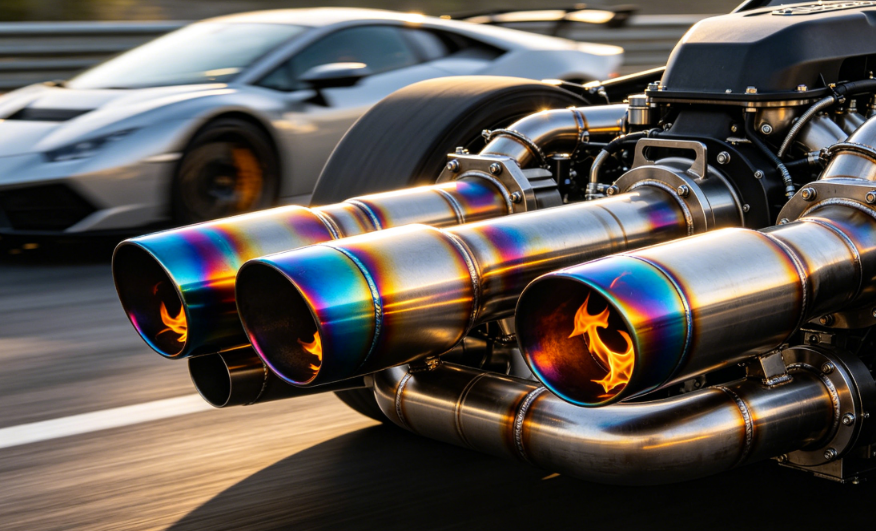
Titanium exhaust pipes are a top upgrade for performance cars and motorcycles, offering significant weight savings and durability. But with prices varying widely, it’s important to understand what drives the cost. This guide breaks down the key factors influencing titanium exhaust pricing, from raw materials to manufacturing complexity.
The Price Range: What to Expect
The cost of a titanium exhaust pipe depends heavily on the application and complexity:
Motorcycle slip-on exhausts: Typically range from $300 to $1,500.
Car cat-back exhaust systems: Usually fall between $1,000 and $5,000.
Full custom race systems: Can cost $5,000 or more, depending on design and features.
Key Factors That Determine Cost
1. Raw Titanium Material Cost
The base material is a major factor:
Grade selection: Most exhausts use Grade 2 (commercially pure) or Grade 5 (Ti-6Al-4V) titanium. Grade 5 is stronger and more heat-resistant but more expensive.
Material thickness: Thicker-walled pipes are more durable but use more material, increasing cost.
Purity and sourcing: High-quality, certified titanium from reputable suppliers commands a premium.
2. Manufacturing and Processing Complexity
The labor involved in making the exhaust is often more expensive than the material itself:
Precision bending: Titanium is difficult to bend without specialized tools, especially for tight, complex shapes.
Welding: TIG welding titanium requires skill and a controlled environment to prevent contamination. Weld quality directly impacts durability and cost.
Polishing and finishing: A mirror or brushed finish requires extra labor, as does heat tinting or anodizing for color.
3. Design and Features
Additional features add to the price tag:
Custom vs. off-the-shelf: A one-off custom exhaust for a rare vehicle is far more expensive than a pre-made system for a popular model.
Headers vs. slip-ons: A full header-back system with multiple pipes and collectors requires more material and labor than a simple slip-on muffler.
Additional components: Titanium hangers, flanges, and heat shields add both cost and weight savings.
4. Brand and Quality
Reputable brands with a track record of quality and performance will charge more for their products. This premium often includes better materials, tighter quality control, and better customer support.
Is the Cost Worth It?
While titanium exhausts are more expensive upfront, they offer significant long-term benefits:
Weight reduction: A titanium system can weigh 50-70% less than a comparable steel system, improving acceleration and handling.
Longevity: Titanium is highly corrosion-resistant, so the exhaust won’t rust through like steel, lasting the life of the vehicle.
Performance benefits: Titanium’s heat resistance allows for better exhaust gas flow and reduced underhood temperatures.
Key Considerations for Buyers
Budget vs. Goals: If you’re on a tight budget, a titanium slip-on muffler is a great way to get the benefits without the cost of a full system.
Application: For daily drivers, a high-quality stainless steel system may be a more cost-effective choice. Titanium shines in performance and racing applications.
Supplier Verification: Ensure the exhaust is made from genuine titanium, not a titanium-coated steel pipe. Ask for material certifications if possible.
Conclusion
The cost of a titanium exhaust pipe varies widely based on material, manufacturing, and design. While it’s a significant investment, the performance benefits, weight savings, and durability make it a popular choice for enthusiasts. By understanding the factors that drive the price, you can make an informed decision that fits your budget and goals.
FAQ4 min read·2026-06-10
How Much Does a Titanium Exhaust Pipe Cost? A Comprehensive Pricing Guide
A practical CNBJTI guide to "How Much Does a Titanium Exhaust Pipe Cost?", breaking down price factors like material grade, processing complexity, and certification, plus key RFQ details buyers need to know for automotive exhaust projects.