Titanium fasteners is best specified by grade, dimensions, surface condition, tolerance, standard and service environment. CNBJTI can help translate those requirements into a workable titanium supply plan.
Why This Topic Matters for Titanium Buyers
For CNBJTI customers, this topic is best treated as a procurement and engineering check rather than a simple definition. The key point is to balance strength, weight and manufacturing cost.
When a buyer sends an RFQ for titanium fasteners, the practical questions are usually grade, size, tolerance, surface condition, operating environment and inspection documents. CNBJTI uses those details to match the material route and avoid over-specifying or under-specifying the order.
Specification Checklist
The weight of a titanium knee replacement implant varies depending on the patient’s size, the implant design, and the specific components used. On average, a standard total knee replacement implant weighs between 400 and 600 grams (0.9 to 1.3 pounds) in total.
Breakdown of Implant Weight
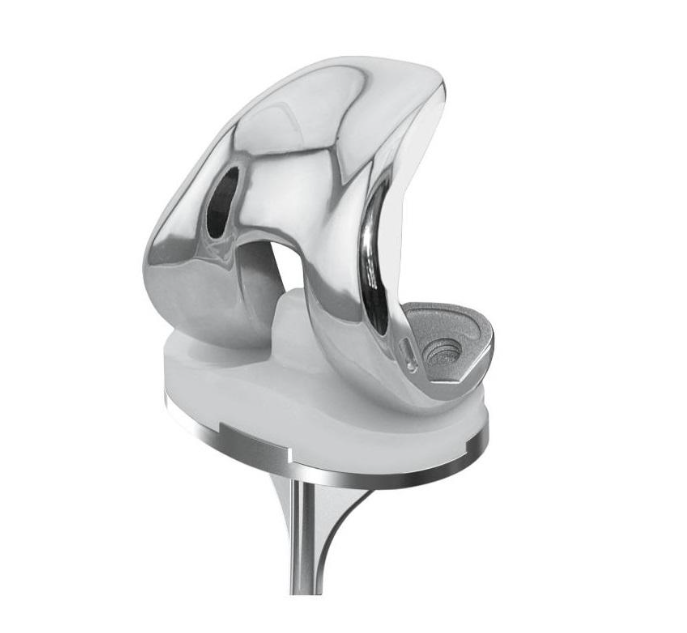
A total knee replacement typically consists of three main parts: the femoral component (which replaces the end of the thigh bone), the tibial component (which replaces the top of the shin bone), and a plastic spacer between them.
The femoral and tibial components are usually made of titanium alloy, each weighing about 150–250 grams depending on size.
The plastic spacer adds minimal weight, usually less than 50 grams.
For partial knee replacements, which replace only one damaged compartment of the knee, the implant weight is significantly lower, often ranging from 150 to 300 grams.
Why Titanium Is Used for Knee Implants
Titanium alloys are the preferred material for knee replacements for several key reasons. First, they are much lighter than alternative materials like cobalt-chromium alloys. A titanium knee implant can weigh 20–30% less than a similar cobalt-chromium implant, which helps reduce stress on the remaining bone and joint.
Titanium is also highly biocompatible, meaning it is well-tolerated by the human body and unlikely to cause allergic reactions or rejection. Its natural corrosion resistance and ability to bond with bone (osseointegration) also contribute to its long-term success as an implant material.
Factors That Affect the Final Weight
The most significant factor is the patient’s anatomy. Larger patients require larger implants, which naturally weigh more. The implant design can also affect weight; newer, more streamlined titanium implants may be slightly lighter than older, bulkier designs. Additionally, some implants use porous titanium surfaces to encourage bone growth, which can add a small amount of weight compared to solid designs.
What Patients Can Expect
For most people, the difference in weight between the natural knee joint and the titanium implant is barely noticeable in daily life. The implant is designed to fit within the existing bone structure, and the lightweight nature of titanium ensures that it does not feel heavy or cumbersome. The primary focus of modern knee replacement design is on restoring function and reducing pain, with weight being a secondary consideration that titanium helps optimize.