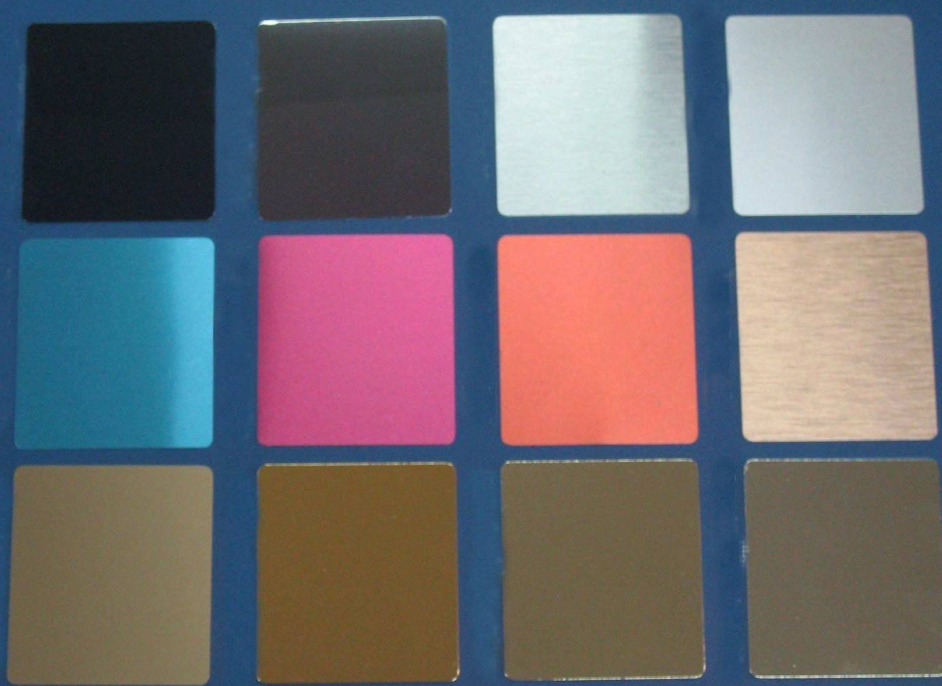
Short answer: Titanium anodizing is a controlled electrochemical process that creates vibrant, permanent colors on titanium parts while enhancing their natural corrosion and wear resistance.
If you’re a B2B buyer sourcing titanium for jewelry, aerospace components, medical devices, or consumer wearables, understanding how to anodize titanium is critical to achieving your desired aesthetic and functional goals. Below, we break down the process, key considerations, and sourcing tips from CNBJTI.
What Is Titanium Anodizing & Why Does It Matter?
Titanium naturally forms a thin, invisible oxide layer when exposed to air. Anodizing uses a controlled electric current to thicken this layer. The thickness of the oxide layer changes how light reflects off the surface, producing a spectrum of colors from gold and blue to purple and black.
This process delivers three core benefits for your products:
Enhanced durability: The thicker oxide layer acts as a harder, more wear-resistant barrier against moisture, saltwater, and abrasion.
Superior biocompatibility: Anodized titanium is more resistant to bodily fluids and bacterial adhesion, making it ideal for medical implants and surgical tools.
Permanent, non-toxic color: Unlike paint or plating, anodized colors are part of the metal itself, so they won’t chip, peel, or fade over time.
The Step-by-Step Titanium Anodizing Process
While industrial anodizing requires specialized equipment, the core workflow is consistent across applications:
1. Pre-Treatment & Surface Cleaning
Before anodizing, titanium parts must be thoroughly cleaned to remove oils, debris, and surface contaminants. This involves degreasing, acid etching, and rinsing to ensure the surface is completely free of impurities. Any leftover residue can cause uneven color or adhesion issues.
2. Setting Up the Anodizing Bath
The parts are immersed in an electrolyte solution (typically dilute phosphoric or sulfuric acid). They are connected to the positive terminal (anode) of a DC power supply, while a cathode (lead or titanium) completes the circuit in the bath.
3. Applying the Electric Current
A precise, controlled voltage is applied. As the current flows, oxygen forms the oxide layer on the titanium surface. The voltage directly determines the color:
10–20V: Light gold and brown tones
20–40V: Bright blues and purples
40–60V: Greens, pinks, and magentas
60V+: Dark blues and near-black finishes
4. Rinsing & Finishing
Once the desired color is achieved, parts are removed from the bath, rinsed thoroughly with water, and air-dried. No additional sealing is required, as the oxide layer is inherently stable.
Common Myths About Titanium Anodizing
Myth 1: “Anodized titanium is coated with paint or dye.”
Fact: The color comes from light interference with the oxide layer, not pigments. It is an integral part of the metal surface and cannot wear off.
Myth 2: “Anodizing weakens titanium.”
Fact: The process does not alter the bulk properties of titanium. The oxide layer is only nanometers thick and does not affect the material’s strength or ductility.
Myth 3: “All titanium grades anodize the same way.”
Fact: Commercially pure titanium (Grades 1 & 2) produces the most consistent, vibrant colors. Alloys like Ti-6Al-4V may require adjusted voltage or pre-treatment for uniform results.
Key Considerations for B2B Buyers
When planning anodized titanium parts, keep these factors in mind:
Grade selection: Pure titanium is preferred for consistent color results, especially for jewelry and consumer products.
Surface finish: Polished surfaces produce brighter colors, while matte or brushed finishes create softer, more muted tones.
Quality control: Industrial anodizing requires precise voltage control and consistent pre-treatment to avoid streaks or uneven color.
Regulatory compliance: For medical or aerospace applications, ensure the process meets standards like ASTM B941.
How CNBJTI Delivers Reliable Anodized Titanium
As a dedicated titanium supplier, we help you achieve consistent, high-quality anodized results:
Grade-specific guidance: We recommend the best titanium grade and surface finish for your color and performance goals.
Contamination-free processing: Our dedicated titanium lines eliminate cross-contact risks, ensuring defect-free parts.
Custom color matching: We offer precise voltage control to match custom color specifications for branding or design.
Compliance support: We provide material test reports (MTRs) and process certifications for regulated applications.
Source Anodized Titanium With Confidence
If you need anodized titanium for your next project, CNBJTI can help. Submit your RFQ today for:
Custom grade and finish recommendations
Color matching and sample development
Competitive bulk pricing
Support for custom processing and compliance
English Version: SEO-Optimized Meta Description
How to anodize titanium? It’s an electrochemical process that creates vibrant, permanent colors while boosting corrosion resistance. Learn about the steps, best practices, and sourcing tips from CNBJTI.
FAQ4 min read·2026-05-22
How to Anodize Titanium
How to anodize titanium? It’s an electrochemical process that creates vibrant, permanent colors while boosting corrosion resistance. Learn about the steps, best practices, and sourcing tips from CNBJTI.