Short answer: Titanium is not flammable under normal everyday conditions. It does not catch fire easily and is classified as a non-combustible material. However, in specific forms like fine powder or thin chips, and at extremely high temperatures, titanium can ignite and burn intensely.
If you’re working with titanium for projects, manufacturing, or general use, understanding its fire behavior is important for safety. Below, we break down when titanium is safe, when it can become a hazard, and what you need to know.
Titanium’s Behavior in Normal Conditions
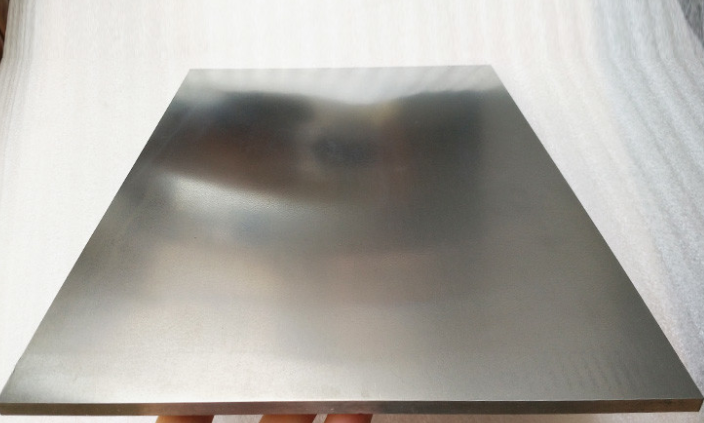
In its solid form, like bars, sheets, or parts, titanium is very stable and non-flammable:
It does not ignite or support combustion at room temperature.
It requires extreme heat to reach its ignition point, far higher than most common fire scenarios.
The thin oxide layer on its surface acts as a natural barrier, preventing it from reacting with oxygen and catching fire easily.
For most everyday uses, titanium is considered safe and non-flammable.
When Titanium Can Burn
While solid titanium is safe, certain conditions can make it a fire hazard:
1. Fine Titanium Powder or Dust
Titanium in the form of fine powder or dust is highly flammable. The small particles have a large surface area that reacts quickly with oxygen. Even a spark or high heat can ignite a dust cloud, leading to rapid combustion or even explosions. This is a key safety concern in industrial processing environments.
2. Thin Shavings, Chips, or Foil
Thin titanium shavings, turnings, or very thin foil can also ignite more easily than solid metal. Their large surface area allows for fast oxidation, especially when exposed to intense heat or sparks from cutting, grinding, or welding.
3. Extremely High Temperatures
Solid titanium will only ignite at very high temperatures, typically above 1,700°C (3,090°F). Once it starts burning, it can sustain a very hot, intense fire that is difficult to put out with standard methods like water or CO₂ extinguishers.
Common Myths About Titanium and Fire
Myth 1: “Titanium catches fire easily.”
Fact: Solid titanium is very hard to ignite. The risk only applies to fine powder, dust, or thin fragments in industrial settings.
Myth 2: “You can put out a titanium fire with water.”
Fact: Water can actually make a titanium fire worse. At high temperatures, titanium reacts violently with water, producing hydrogen gas that can explode. Specialized extinguishing methods are required.
Myth 3: “Titanium is a major fire hazard in all applications.”
Fact: For most consumer and structural uses, titanium is safe. The fire risk is primarily limited to manufacturing and processing environments where fine particles are present.
Safety Tips When Working With Titanium
If you’re handling titanium in a workshop or industrial setting, follow these safety practices:
Avoid creating fine titanium dust or shavings where possible.
Use proper ventilation and dust collection systems to prevent dust buildup.
Keep sparks and open flames away from areas where titanium powder or chips are stored.
Be aware of the correct fire suppression methods for titanium fires (dry sand or specialized metal fire extinguishers).
Final Takeaway
For most people, titanium is a safe, non-flammable metal. Its fire risk is very low in everyday use. The danger only arises in specific industrial scenarios involving fine particles and extreme heat. Understanding these conditions is key to working with titanium safely.
If you have questions about titanium safety or which form of titanium is right for your project, feel free to reach out.
FAQ5 min read·2026-05-22
Is Titanium Flammable?
Is titanium flammable? Titanium is not flammable under normal conditions, but it can ignite and burn at very high temperatures, especially in fine powder form. Learn the facts about titanium’s fire safety.