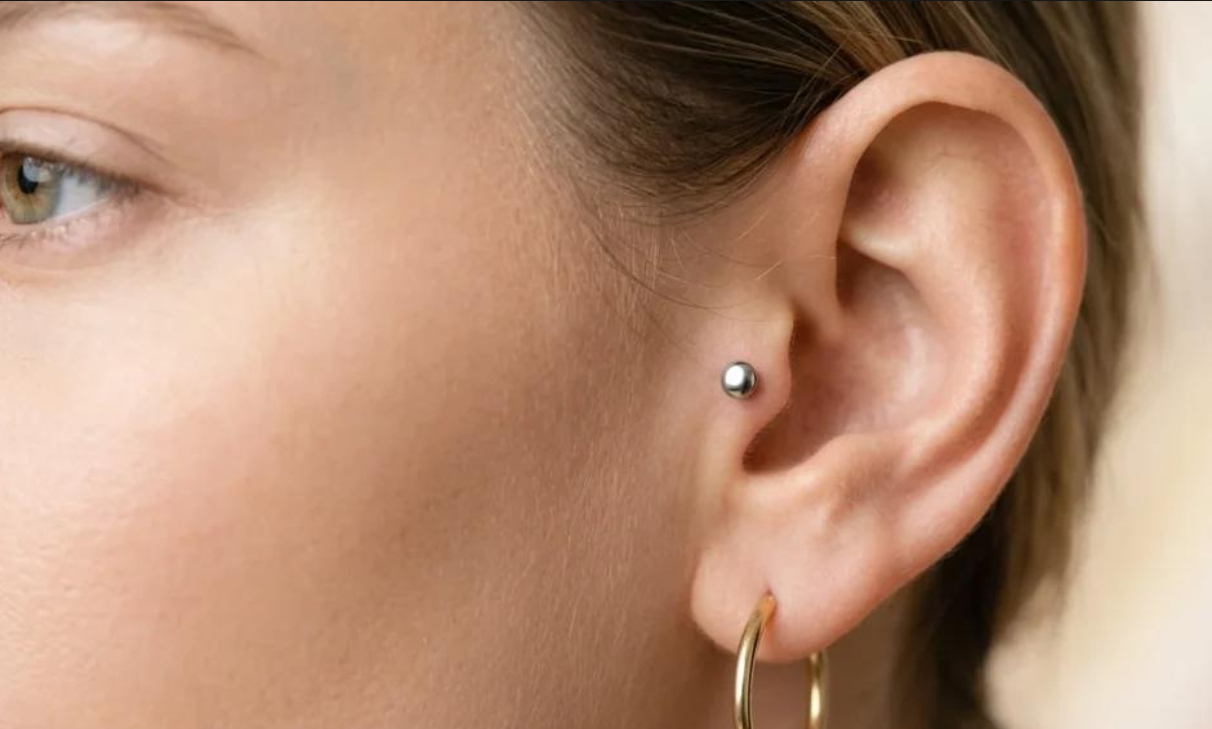
Short answer: Yes, pure titanium is one of the most hypoallergenic metals available for human contact. It contains no nickel, chromium, or other common allergens, and its natural oxide layer prevents skin reactions in nearly all users.
If you’re a B2B buyer sourcing titanium for medical devices, jewelry, wearable tech, or consumer products, understanding titanium’s hypoallergenic properties is critical for product safety, compliance, and customer satisfaction. Below, we break down the science, common myths, and key sourcing considerations from CNBJTI.
Why Titanium Is Hypoallergenic
Titanium’s low-allergy reputation comes from three inherent material properties that make it uniquely safe for human contact:
1. Nickel-Free, Low-Impurity Composition
Nickel is the leading cause of contact dermatitis, affecting 10–15% of the global population. Unlike stainless steel or many alloyed metals, commercially pure titanium (Grades 1–4) contains no nickel, chromium, or other common allergenic elements. It eliminates the primary trigger for most skin reactions, even in sensitive-skin users.
2. Self-Healing Passive Oxide Layer
When exposed to air or moisture, titanium instantly forms a thin, dense layer of titanium dioxide (TiO₂) on its surface. This layer is:
Chemically inert: It does not react with sweat, oils, or bodily fluids.
Self-healing: If scratched or damaged, the oxide layer reforms immediately to restore protection.
Non-conductive: It prevents metal ion leaching and direct contact between the base metal and skin.
This barrier acts like a permanent, invisible shield, keeping the underlying metal from interacting with the human body.
3. Clinically Proven Biocompatibility
Titanium has been the gold standard for surgical implants, dental hardware, and medical devices for over 50 years, with a documented allergy incidence rate of less than 0.6% in clinical use. This level of safety translates directly to consumer applications, where even minor skin reactions can lead to product recalls, returns, and brand damage.
What Looks Like a “Titanium Allergy”?
While pure titanium itself rarely causes reactions, three common issues are often mistaken for titanium allergies:
1. Alloy Additive Sensitivity
Standard titanium alloys like Ti-6Al-4V contain aluminum and vanadium. A tiny subset of people may be sensitive to these elements, especially in prolonged bodily contact applications.
2. Cross-Contamination
Titanium processed on shared equipment with nickel, cobalt, or other reactive metals can carry residual particles that cause skin irritation, even on pure titanium stock.
3. Unregulated Surface Treatments
Low-quality plating, coatings, or finishes applied to titanium parts often contain hidden allergens like nickel, undermining the base material’s safety.
Best Titanium Grades for Hypoallergenic Applications
For applications requiring direct human contact, prioritize these grades to minimize allergy risk:
Commercially Pure Titanium (Grades 1 & 2): The most hypoallergenic options, ideal for jewelry, eyewear frames, wearable tech, and general medical components.
Grade 4 Pure Titanium: Higher strength than Grades 1/2, while retaining full purity and low-allergy properties—perfect for surgical tools and structural components.
Ti-6Al-4V ELI (Grade 23): Medical-grade variant with ultra-low interstitial elements, reducing potential sensitivity risks for implants and long-term bodily contact devices.
Standard Grade 5 (Ti-6Al-4V) is not recommended for direct, prolonged skin contact unless paired with rigorous testing and compliance documentation.
How CNBJTI Delivers Hypoallergenic Titanium
As a dedicated titanium supplier, we help B2B buyers ensure consistent safety and performance:
Verified purity: Full material test reports (MTRs) confirm chemical composition and the absence of nickel, lead, or other harmful contaminants.
Contamination-free processing: Dedicated titanium production lines eliminate cross-contact with other metals, preventing residual particles that could cause irritation.
Compliance support: We provide documentation for ASTM, ISO, and medical industry standards, including biocompatibility test reports for regulated applications.
Custom finishes: Non-reactive, hypoallergenic surface treatments tailored to your use case, eliminating risks from third-party plating or coating.
Source Safe, Hypoallergenic Titanium With Confidence
If you need titanium for applications requiring zero allergy risk and biocompatibility, CNBJTI can help.
Submit your RFQ today for:
Custom grade recommendations based on your use case
Detailed compliance and material documentation
Competitive bulk pricing
Support for custom processing and finishes
FAQ4 min read·2026-05-22
Is Titanium Hypoallergenic?
A buyer-focused guide to "Is Titanium Hypoallergenic?" by CNBJTI. Learn how pure titanium (Grade 1/2) prevents skin reactions, key certifications, processing standards, and tips for your next RFQ.