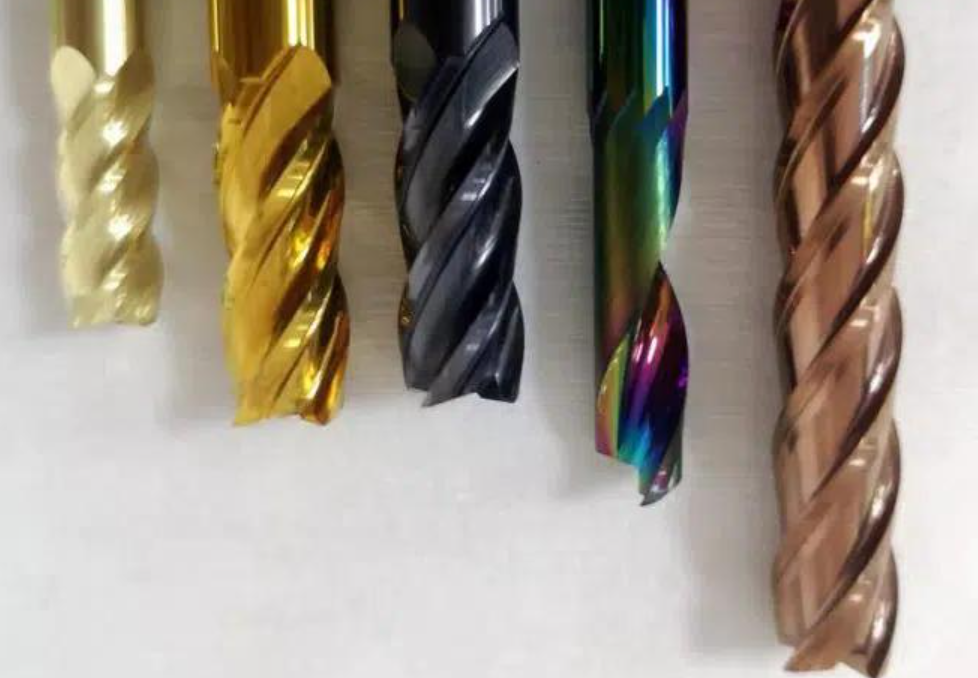
Physical Vapor Deposition (PVD) coating is a high-performance surface treatment process widely used to enhance the properties of titanium components. By depositing a thin, uniform layer of metallic or ceramic compounds onto the titanium surface, PVD improves hardness, wear resistance, corrosion resistance, and aesthetic appeal without altering the material’s core mechanical properties. This guide explains the principles of PVD coating on titanium, common coating types, technical considerations, and practical buyer guidance for sourcing coated titanium parts.
The Science of PVD Coating on Titanium
PVD is a vacuum-based process that converts solid coating materials into vapor phase, then condenses them as a thin film on the substrate surface. The process occurs at temperatures between 150°C and 500°C, well below the annealing temperature of titanium, ensuring the base material’s microstructure and mechanical properties remain unchanged.
Titanium’s natural oxide layer provides good corrosion resistance, but it can still be vulnerable to wear, friction, and environmental degradation in high-stress applications. PVD coatings address these limitations by creating a protective barrier. The coating bonds to the titanium surface at the atomic level, forming a highly adherent layer that can withstand mechanical stress and chemical exposure.
The key to successful PVD coating on titanium lies in proper surface preparation. Titanium’s reactive nature means any residual contaminants, oils, or machining residues must be thoroughly removed through cleaning, etching, or plasma treatment. A clean, activated surface ensures strong coating adhesion and prevents delamination under load.
Common PVD Coating Types for Titanium Components
Different PVD coatings offer unique properties, making them suitable for specific applications:
Titanium Nitride (TiN)
TiN is the most widely used PVD coating, known for its golden color, high hardness, and excellent wear resistance. It significantly improves the surface hardness of titanium components, reducing friction and extending the service life of tools, fasteners, and mechanical parts. TiN also offers good corrosion resistance, making it suitable for industrial and marine applications.
Titanium Carbonitride (TiCN)
TiCN combines the hardness of TiN with the lubricity of carbon, resulting in a coating with lower friction and better wear resistance. It is ideal for titanium parts subjected to high contact pressure, such as bearings, gears, and sliding components. The carbon content in TiCN also provides improved chemical stability against acidic environments.
Titanium Aluminum Nitride (TiAlN)
TiAlN is a high-performance coating designed for high-temperature applications. It forms a protective aluminum oxide layer at elevated temperatures, providing excellent oxidation resistance. This makes it suitable for titanium components used in aerospace engines, cutting tools, and industrial equipment operating at temperatures up to 800°C.
Chromium Nitride (CrN)
CrN is known for its silver color, low friction coefficient, and superior corrosion resistance. It is often used on titanium parts in medical devices, consumer goods, and decorative applications, where both aesthetic appeal and biocompatibility are required. CrN coatings also offer good scratch resistance, maintaining the component’s appearance over time.
Technical Considerations for PVD Coating on Titanium
Several factors must be addressed to ensure high-quality PVD coatings on titanium:
Adhesion and Coating Uniformity
The low surface energy of titanium can sometimes challenge coating adhesion. To mitigate this, surface activation techniques such as plasma etching or ion bombardment are used to create a textured, chemically active surface. Complex geometries, sharp edges, and internal cavities require careful process planning to ensure uniform coating thickness and coverage.
Thermal Stability and Dimensional Tolerance
While PVD operates at relatively low temperatures, prolonged exposure to heat can cause minor dimensional changes in thin-walled titanium parts. Process parameters must be optimized to balance coating quality with dimensional stability. For precision components, post-coating inspection using coordinate measuring machines (CMM) is essential to verify tolerances.
Coating Thickness and Performance Trade-Offs
PVD coatings typically range from 1 to 5 micrometers in thickness. Thicker coatings offer better wear resistance but can increase brittleness and the risk of cracking under cyclic loads. The optimal thickness depends on the application: thin coatings are preferred for decorative or low-stress parts, while thicker coatings are used for high-wear industrial components.
Post-Coating Quality Control and Validation
Quality control is critical to ensuring PVD-coated titanium parts meet performance specifications:
Adhesion Testing
Common methods include the scratch test, tape test, and Rockwell indentation test, which evaluate the coating’s resistance to delamination. Passing these tests confirms that the coating is securely bonded to the titanium substrate.
Hardness and Wear Testing
Microhardness tests verify the coating’s hardness, while taber abrasion or ball-on-disk tests measure wear resistance and friction coefficient. These tests ensure the coating meets the application’s performance requirements.
Corrosion and Environmental Testing
Salt spray tests and electrochemical corrosion testing validate the coating’s ability to protect the titanium substrate from environmental degradation, especially for parts used in marine, medical, or outdoor applications.
Buyer’s Guide: Sourcing PVD-Coated Titanium Components
When sourcing PVD-coated titanium parts, these key considerations will help you select a reliable supplier:
Specify Coating Type and Requirements:
Clearly define the desired PVD coating (e.g., TiN, TiAlN), thickness range, and color (if applicable). Reference industry standards such as ISO 10289 for metallic coatings to ensure compliance.
Verify Surface Preparation Processes:
Ask the supplier about their cleaning and activation methods. Proper surface preparation is the foundation of good coating adhesion. Suppliers with experience in titanium processing will have specialized procedures to handle the material’s reactivity.
Request Process Documentation:
Reputable suppliers will provide coating process records, batch certifications, and test reports. These documents verify that the coating was applied according to the specified parameters and meets quality standards.
Consider Design for Coating:
If possible, involve the coating supplier early in the design phase. They can provide guidance on geometry, edge radii, and hole sizes to ensure uniform coating coverage and avoid common issues like edge buildup or shadowing.
Processing Guide6 min read·2026-05-25
PVD Coating Technology on Titanium: Advanced Metallic Surface Solutions
Explore how PVD coating enhances titanium components with improved hardness, wear resistance, and corrosion performance, plus key buyer tips for sourcing coated titanium parts.