Introduction
For decades, premium smartphones relied on aluminum and stainless steel for their frames, balancing strength, weight, and cost. The introduction of titanium in high-end iPhones marked a revolutionary shift, leveraging the metal’s aerospace-grade properties to redefine what a smartphone could feel and perform like.
This guide explores how titanium transformed iPhone design, the engineering challenges of working with it, and its broader impact on consumer electronics, based on industrial specifications from CNBJTI.
Why Titanium Was a Game-Changer for iPhones
Titanium’s properties directly addressed key limitations of traditional smartphone materials.
First, unmatched strength-to-weight ratio. Titanium is significantly lighter than stainless steel while being just as strong. By switching to titanium, iPhone models reduced overall weight, making them more comfortable to hold, without sacrificing structural rigidity or drop protection.
Second, durability and scratch resistance. Titanium’s surface hardness and corrosion resistance mean it can withstand daily wear and tear better than aluminum. It resists dents and scratches, maintaining a premium finish longer.
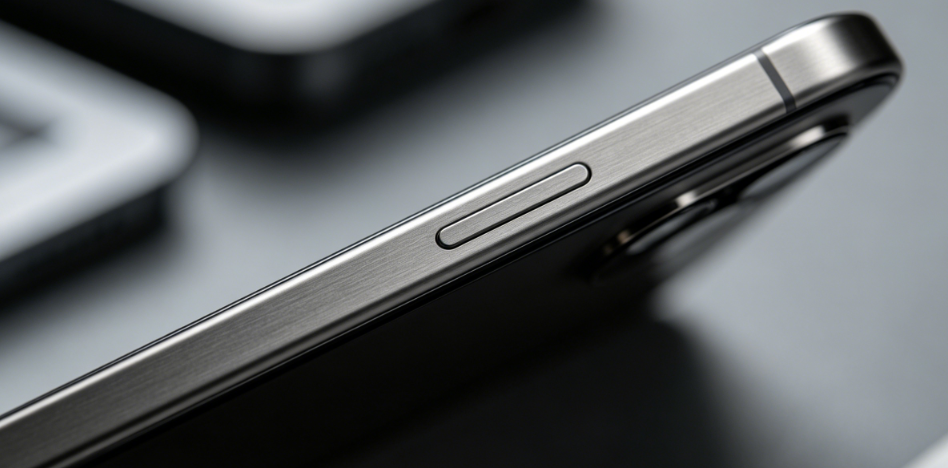
Third, premium aesthetic and feel. Titanium has a unique, subtle luster and cool-to-the-touch feel that conveys luxury. The matte finishes on titanium frames also reduce fingerprints, keeping the device looking clean.
The Engineering Challenges of Titanium for iPhones
While the benefits are clear, integrating titanium into mass-produced iPhones presented significant manufacturing hurdles.
Machining Difficulties
Titanium is notoriously hard to machine. Its low thermal conductivity means heat builds up quickly during cutting, requiring specialized tools and slow, precise processes. Apple’s engineers developed custom CNC techniques to shape titanium efficiently, a major breakthrough for consumer electronics manufacturing.
Joining and Assembly
Titanium’s high melting point and reactivity make welding or soldering challenging. Designers had to develop new ways to attach internal components to the titanium frame, ensuring structural integrity while maintaining a slim profile.
Cost Control
Titanium raw material and processing costs are far higher than aluminum. Scaling production while keeping costs manageable required close collaboration with suppliers and continuous process optimization.
Titanium vs. Traditional Materials: A Direct Comparison
To understand the revolution, it’s helpful to see how titanium stacks up against the competition:
Stainless Steel: Strong but heavy. Titanium offers similar strength at a 30-40% weight reduction.
Aluminum: Lightweight but prone to bending and scratching. Titanium is far more durable but harder to machine.
Titanium: The best of both worlds, but with higher production complexity and cost.
Broader Impact on Consumer Electronics
The use of titanium in iPhones has already influenced the wider smartphone industry. Competitors are exploring titanium for their premium models, driving innovation in manufacturing processes and potentially reducing costs over time. Beyond phones, titanium is also finding its way into wearables, laptops, and other high-end devices where weight and durability are priorities.
Conclusion
Titanium’s introduction to iPhone production was more than just a material change—it was a revolution in smartphone design and manufacturing. It solved long-standing trade-offs between weight, strength, and premium feel, setting a new standard for high-end consumer electronics. As manufacturing processes continue to improve, titanium is poised to become more common in devices where performance and luxury meet.
Titanium Insights4 min read·2026-06-09
The Revolutionary Role of Titanium in iPhone Production & Design
A CNBJTI guide to titanium’s game-changing role in iPhone production, exploring how its strength-to-weight ratio transformed smartphone design, key manufacturing challenges, and what buyers should know about consumer-grade titanium components.