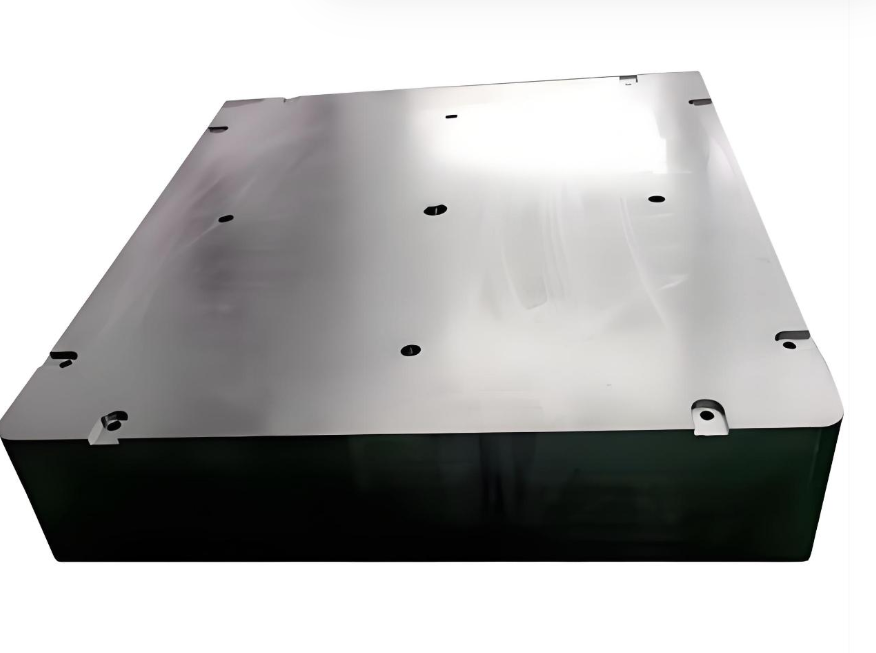
Metal additive manufacturing (SLM / LPBF / EBM) relies on a solid build‑plate as the base platform where metal powder melts and fuses into finished parts. Stainless steel build plates are widely used as a low‑cost general‑purpose option. However, titanium build plates are increasingly preferred for printing titanium‑alloy components, especially for high‑end aerospace, medical and laboratory applications.
1. Better Thermal Expansion Matching (Reduce Warpage & Cracking)
This is the biggest advantage of titanium build plates.
Titanium build plates share a very close coefficient of thermal expansion with titanium‑alloy printed parts. During rapid heating and cooling inside the printing chamber, thermal stress is greatly reduced. It effectively prevents printed parts from warping, curling or detaching from the base plate.
Stainless steel has a much higher thermal‑expansion rate. When printing titanium parts, huge thermal mismatch creates heavy stress. It frequently causes part warpage, support fracture or complete part failure, lowering overall production yield.
2. Zero Iron Contamination Risk for High‑Grade Parts
Iron pollution is a hidden risk when using stainless‑steel substrates for titanium printing.
Under repeated high‑energy laser irradiation, iron elements from stainless‑steel plates can diffuse into printed titanium components. Even tiny iron impurities will downgrade material performance.
For medical implants, aerospace structural parts and critical‑grade titanium components, iron contamination is unacceptable. Titanium build plates contain no iron, keeping your printed parts chemically pure and compliant with ASTM and medical biocompatibility requirements.
3. Longer Service Life & Reusability
Titanium features excellent laser‑ablation resistance under inert‑atmosphere printing conditions. After finishing one print run, you can mill off residual supports and surface layers, then reuse the titanium build‑plate for multiple printing cycles.
Stainless steel plates suffer more laser burn‑in and surface degradation. They tend to form brittle oxidized layers, which may flake off and contaminate your metal powder. Stainless‑steel build plates need replacement more frequently for heavy‑duty titanium‑alloy production.
4. Key Application Scenarios for Titanium Build Plates
Medical additive manufacturing: TC4‑ELI titanium build plates for producing orthopedic implants, spinal cages and dental abutments, meeting strict biocompatibility rules.
Aerospace & defense: Printing lightweight complex titanium structural parts with low defect rates.
University & R&D laboratories: Pure titanium TA1 / TA2 substrates for material‑process research and sample development.
Serial titanium‑alloy production: Minimize scrap rate and stabilize part consistency.
When to Choose Stainless Steel Build Plates
Stainless steel still makes sense for low‑budget prototyping, when you print non‑titanium materials such as aluminum or tool steel. It delivers acceptable performance for non‑critical parts without strict purity requirements.
Final Summary
If your main work is printing titanium‑alloy parts, a titanium build‑plate is a worthwhile upgrade. It cuts failure rates, eliminates iron contamination and supports high‑quality output for aerospace and medical‑grade components. Stainless steel remains an economical choice for other metal‑print workflows.
Technical Guide5 min read·2026-09-07
Titanium Build Plate vs Stainless Steel Build Plate for Metal 3D Printing
When working with SLM and EBM metal 3D printing, choosing the right build plate directly affects print yield, part quality and powder purity. Many manufacturers start with stainless steel build plates, yet titanium substrates bring unique advantages for titanium‑alloy printing projects. This guide compares titanium build plates against stainless‑steel alternatives, covering thermal‑expansion matching, iron‑contamination risks, service life, and application scenarios for aerospace, medical implant and research‑lab additive‑manufacturing. Understand when you should switch to titanium build plates for your metal 3D‑print workflow.