Introduction
Titanium castings are a cornerstone of advanced manufacturing, combining the metal’s exceptional strength-to-weight ratio, outstanding corrosion resistance, and biocompatibility with the design flexibility of the casting process. Unlike standard titanium bars or sheets, castings allow engineers to create complex, near-net-shape components that would be impractical or too costly to machine from solid stock.
However, titanium casting also comes with unique technical challenges, from high reactivity during melting to strict quality control requirements. This guide breaks down the key industrial applications of titanium castings, their core limitations, and best practices for material selection, quality assurance, and procurement. It is designed to help industrial buyers and engineers make informed decisions when specifying titanium cast components.
1. Core Industrial Applications of Titanium Castings
Titanium castings are preferred in industries where reliability, weight reduction, and corrosion resistance are non-negotiable.
In the aerospace and defense sector, they are used to produce structural components, turbine parts, engine housings, and landing gear assemblies. The combination of high strength and low weight directly improves aircraft fuel efficiency and performance, while titanium’s resistance to high temperatures and fatigue ensures long service life under extreme operating conditions.
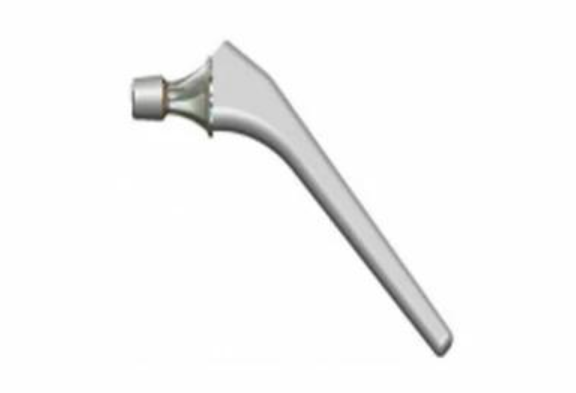
For medical and healthcare applications, titanium castings are widely used to manufacture orthopedic implants, dental frameworks, and surgical instrument components. Titanium’s natural biocompatibility means it does not trigger adverse reactions in the human body, making it ideal for permanent implants. Casting allows manufacturers to create custom shapes that match patient anatomy with precision.
The chemical processing and marine industries rely heavily on titanium castings for pumps, valves, heat exchangers, and pipeline components. Titanium’s superior resistance to corrosion from acids, alkalis, and saltwater makes it far more durable than steel or even stainless steel in harsh environments. This reduces maintenance costs and extends the service life of critical equipment.
Other key applications include automotive racing components, power generation equipment, and sports equipment such as high-performance bicycle frames and golf club heads. In each case, the design freedom of casting allows manufacturers to optimize part geometry for both performance and weight savings.
2. Key Limitations and Challenges of Titanium Castings
Despite their many advantages, titanium castings are not a universal solution, and they come with specific limitations that buyers must understand.
The first major challenge is high manufacturing complexity and cost. Titanium has a very high melting point, and it is highly reactive with oxygen, nitrogen, and hydrogen when molten. This means casting must be done in a controlled atmosphere or vacuum to prevent contamination, requiring specialized equipment and skilled operators. The resulting parts are often significantly more expensive than equivalent steel or aluminum castings.
Another limitation is the risk of internal defects. Porosity, shrinkage cavities, and inclusions can occur during the casting process, which can weaken the component and reduce fatigue resistance. While advanced casting techniques and non-destructive testing help minimize these risks, they require strict quality control measures.
Material properties can also vary compared to wrought titanium. Cast titanium typically has a coarser grain structure than its forged or machined counterparts, which can affect ductility and fatigue performance. For applications requiring the highest possible strength and fatigue resistance, wrought titanium may be preferred over cast components.
Surface finish and dimensional accuracy are additional considerations. As-cast titanium parts often require secondary machining or polishing to meet tight tolerances or smooth surface requirements, adding to the overall production time and cost.
3. Essential Best Practices for Titanium Casting Projects
To maximize the benefits of titanium castings while minimizing risks, industrial buyers should follow these key practices.
3.1 Early Design for Castability
Work closely with your foundry at the design stage to optimize part geometry for casting. Avoid sharp corners, abrupt changes in wall thickness, and overly complex internal features, as these can increase the risk of defects. The goal is to design parts that balance performance requirements with the practical limitations of the casting process.
3.2 Select the Right Titanium Grade
Not all titanium grades are equal for casting. CP (commercially pure) titanium castings offer excellent corrosion resistance but lower strength, making them ideal for chemical processing equipment. Alloy grades such as Ti-6Al-4V offer higher strength and are widely used in aerospace and medical applications, but they can be more challenging to cast.
3.3 Implement Rigorous Quality Control
Choose suppliers with proven experience in titanium casting and comprehensive quality control processes. Key checks include chemical composition analysis, visual inspection, dimensional verification, and non-destructive testing such as X-ray or ultrasonic testing to detect internal defects. This is especially critical for safety-critical applications in aerospace and medical fields.
3.4 Plan for Post-Casting Operations
Factor in secondary processes such as heat treatment, machining, and surface finishing when estimating lead times and costs. These steps are often necessary to meet final specifications and should not be overlooked in project planning.
4. Key Information to Include in Your Titanium Casting RFQ
When requesting quotes for titanium castings, including these details will help suppliers provide accurate proposals and ensure the final parts meet your requirements.
Part Drawings and Specifications: Provide detailed 3D models and 2D drawings, including dimensions, tolerances, and surface finish requirements.
Material Grade and Standards: Specify the exact titanium grade (e.g., Grade 2, Grade 5/Ti-6Al-4V) and any applicable industry standards (ASTM, AMS, ISO).
Application Details: Explain the part’s operating environment and performance requirements, such as pressure, temperature, and corrosion exposure. This helps the foundry recommend the best casting process and quality control level.
Inspection and Testing Requirements: Clearly state required non-destructive testing methods, mechanical testing, and acceptance criteria.
Production Volume and Lead Time: Clarify order quantity and delivery timeline to help the supplier plan production efficiently.
FAQ
What is the main advantage of titanium castings over machined parts?
The biggest advantage is design flexibility. Casting allows for complex, near-net-shape geometries that would be difficult or wasteful to machine from solid stock, reducing material waste and machining time.
Are titanium castings as strong as forged titanium?
In general, forged titanium has higher ductility and fatigue strength due to its refined grain structure. Titanium castings are strong, but they may not be suitable for applications requiring the highest levels of fatigue resistance.
What industries use titanium castings the most?
Aerospace, medical, and chemical processing industries are the largest users of titanium castings, due to their unique combination of strength, corrosion resistance, and biocompatibility.
Conclusion
Titanium castings are a powerful solution for advanced manufacturing, offering unmatched design flexibility combined with the metal’s exceptional performance properties. While they come with challenges such as high cost, manufacturing complexity, and material limitations, these can be managed with careful design, the right material selection, and a trusted supplier partner.
By understanding both the applications and limitations of titanium castings, and following best practices in design, quality control, and procurement, industrial buyers can ensure their projects achieve the performance, reliability, and cost efficiency they require.
Applications5 min read·2026-05-29
Titanium Castings: Applications, Limitations and Best Practices
Titanium castings offer exceptional strength-to-weight ratio and corrosion resistance for aerospace, medical and industrial applications. This guide explores their key uses, technical limitations, material selection tips and quality control requirements for industrial buyers.