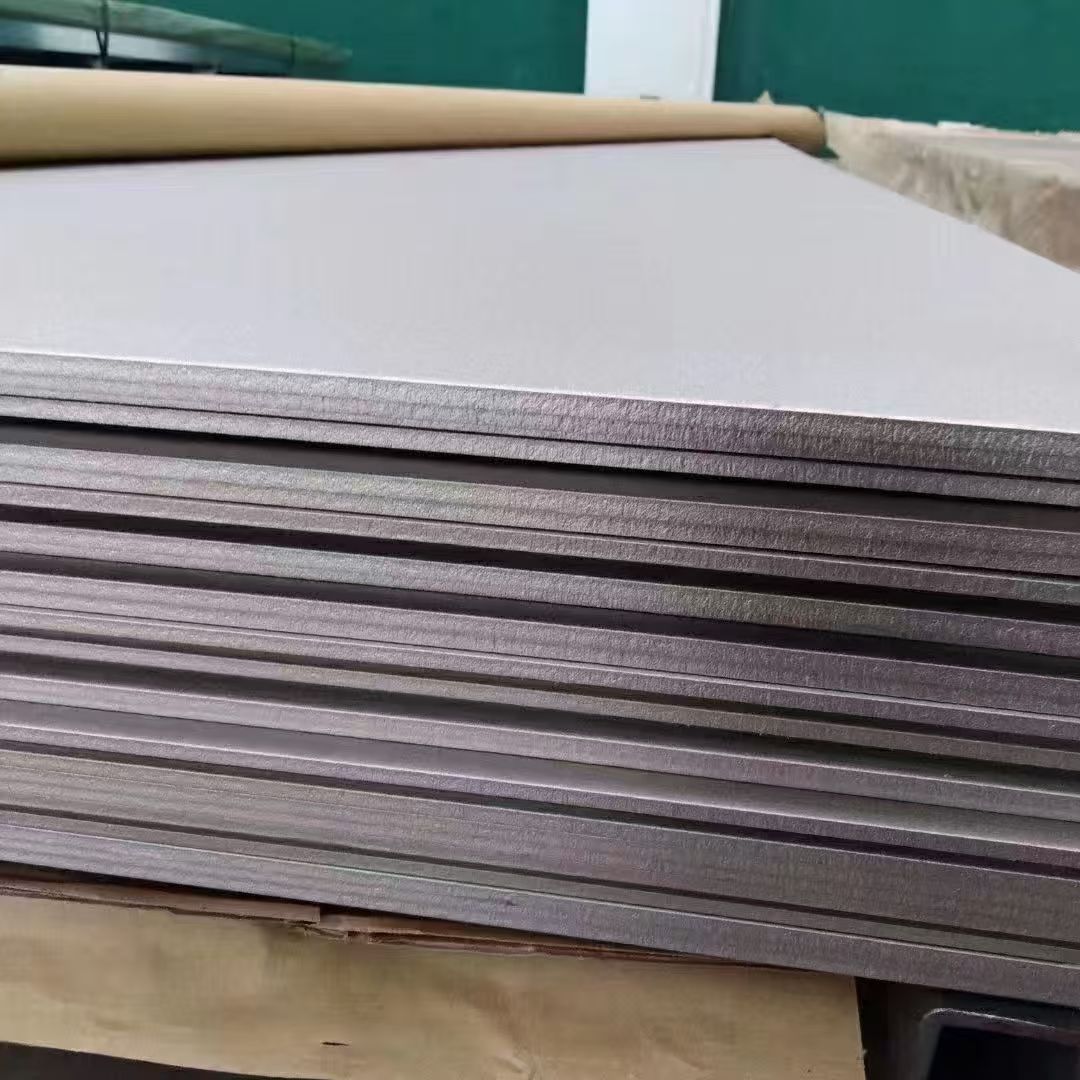
If you work in chemical processing, marine engineering, desalination, or industrial manufacturing, you’ve probably heard the hype about titanium’s corrosion resistance. But what makes it so much better than stainless steel, carbon steel, or other common metals? And why is it the go-to choice for projects where rust, pitting, or chemical degradation would spell disaster?
In this guide, we’ll break down exactly how titanium resists corrosion, why it outperforms traditional materials in harsh environments, and the key reasons it’s become the material of choice for critical applications.
What Makes Titanium So Corrosion-Resistant?
The secret to titanium’s corrosion resistance lies in a simple but powerful natural process: passivation.
When titanium is exposed to oxygen — even just the oxygen in air or water — it immediately forms an ultra-thin, invisible layer of titanium dioxide (TiO₂) on its surface. This layer is only a few nanometers thick, but it’s incredibly tough, stable, and self-healing. If the surface gets scratched or damaged, the exposed titanium reacts with oxygen again to rebuild the protective layer in seconds.
Unlike the passive layer on stainless steel, which can break down in harsh chemicals or high-salt environments, titanium’s oxide layer stays intact even in extreme conditions. It doesn’t flake off, crack, or react with most acids, bases, or saltwater. That’s why titanium doesn’t rust, corrode, or degrade the way other metals do over time.
How Titanium Stacks Up Against Common Metals
To understand why titanium stands out, let’s compare it to the materials it’s most often replacing:
1. vs. Stainless Steel
Stainless steel relies on a chromium oxide passive layer for corrosion resistance, but this layer breaks down in chloride-rich environments (like seawater) or strong acids (like hydrochloric acid). It’s prone to pitting, crevice corrosion, and stress corrosion cracking, especially in marine or chemical processing applications.
Titanium, on the other hand, shrugs off chloride ions and most acids. Even in concentrated saltwater, it won’t develop pitting or rust spots. For desalination plants, offshore platforms, or coastal equipment, titanium outlasts stainless steel by decades.
2. vs. Carbon Steel
Carbon steel is cheap and strong, but it’s almost helpless against corrosion. It rusts rapidly in water, humidity, or even mild chemicals, requiring constant painting, coating, or maintenance to slow the process. In marine or industrial settings, carbon steel parts often need to be replaced every few years.
Titanium needs no coating, no painting, and almost no maintenance. It will sit in saltwater or chemical solutions for decades without corroding, making it far more cost-effective in the long run — even with a higher upfront cost.
3. vs. Copper & Brass
Copper and brass are naturally corrosion-resistant, but they’re no match for titanium in harsh environments. Copper reacts with sulfur compounds in industrial waste to form patina, and brass can dezincify in saltwater, leading to structural failure. Both also leach heavy metals into water or chemical streams, which is a problem for desalination, food processing, or pharmaceutical applications.
Titanium is completely inert, so it won’t react with chemicals or leach contaminants. It’s non-toxic, biocompatible, and won’t affect the purity of the fluids it touches.
Where Titanium’s Corrosion Resistance Shines
Titanium isn’t just “corrosion-resistant” — it’s corrosion-resistant in the environments that destroy other metals. Here are the key industries where it’s the undisputed top choice:
1. Chemical Processing
Titanium handles most acids (including hydrochloric, sulfuric, and nitric acid), bases, and corrosive chemicals with ease. Unlike stainless steel, it won’t corrode, pit, or contaminate the process stream. That’s why it’s used for reactors, heat exchangers, piping, and storage tanks in chemical plants, where even a small leak could cause a major disaster.
2. Marine & Offshore Applications
Saltwater is one of the harshest environments for metals. Chloride ions eat away at most steels, causing pitting and crevice corrosion that weakens parts over time. Titanium, however, is almost immune to saltwater corrosion. It’s used for ship hull components, propellers, offshore platform equipment, and underwater pipelines, lasting 30+ years with zero maintenance.
3. Desalination Plants
Desalination involves treating saltwater at high pressures and temperatures, creating the perfect conditions for corrosion. Titanium’s resistance to saltwater and high temperatures makes it ideal for desalination plant heat exchangers, pumps, and piping. It won’t corrode, scale, or leach metals into the drinking water, ensuring long-term reliability and water purity.
4. Medical & Dental Equipment
The human body is a highly corrosive environment, with salt, acids, and fluids that can break down most metals. Titanium’s inert, non-toxic surface means it won’t react with bodily fluids, cause allergic reactions, or corrode over time. That’s why it’s used for hip implants, dental implants, surgical tools, and pacemaker components.
5. Aerospace & Aviation
Aircraft and spacecraft face extreme temperature swings, moisture, and corrosive atmospheres at high altitudes. Titanium’s corrosion resistance, combined with its high strength-to-weight ratio, makes it perfect for aircraft components, engine parts, and landing gear. It won’t rust or degrade at high altitudes, even in humid or salty conditions.
When Even Titanium Needs Extra Care
While titanium is incredibly corrosion-resistant, it’s not indestructible. There are a few environments where it needs special consideration:
Hydrofluoric acid: Titanium reacts with hydrofluoric acid, which can break down its passive layer.
Hot concentrated reducing acids: In high-temperature, concentrated reducing acids (like boiling hydrochloric acid), titanium can corrode without proper alloying or surface treatment.
High-temperature chlorine: At high temperatures, chlorine gas can attack titanium, so it needs protective coatings or alloying in these cases.
For most standard industrial, marine, and chemical applications, though, pure titanium or common alloys like Grade 2 or Grade 7 will handle the job with ease.
The Bottom Line
Titanium’s corrosion resistance isn’t just a marketing claim — it’s a natural property that makes it one of the most durable, low-maintenance materials on the market. Its self-healing passive oxide layer protects it from rust, pitting, and chemical degradation in environments that destroy stainless steel, carbon steel, and copper.
While titanium has a higher upfront cost than many traditional metals, its long lifespan, zero maintenance requirements, and resistance to corrosion-related failures make it far more cost-effective over time. For critical applications where reliability and safety are non-negotiable, titanium isn’t just a better choice — it’s often the only choice.
Technical Guide10 min read·2026-05-21
Titanium Corrosion Resistance: Why It Outperforms Stainless Steel & Alloys
Discover why titanium’s exceptional corrosion resistance makes it the top choice for chemical processing, marine, and desalination applications, outperforming traditional metals in harsh environments.