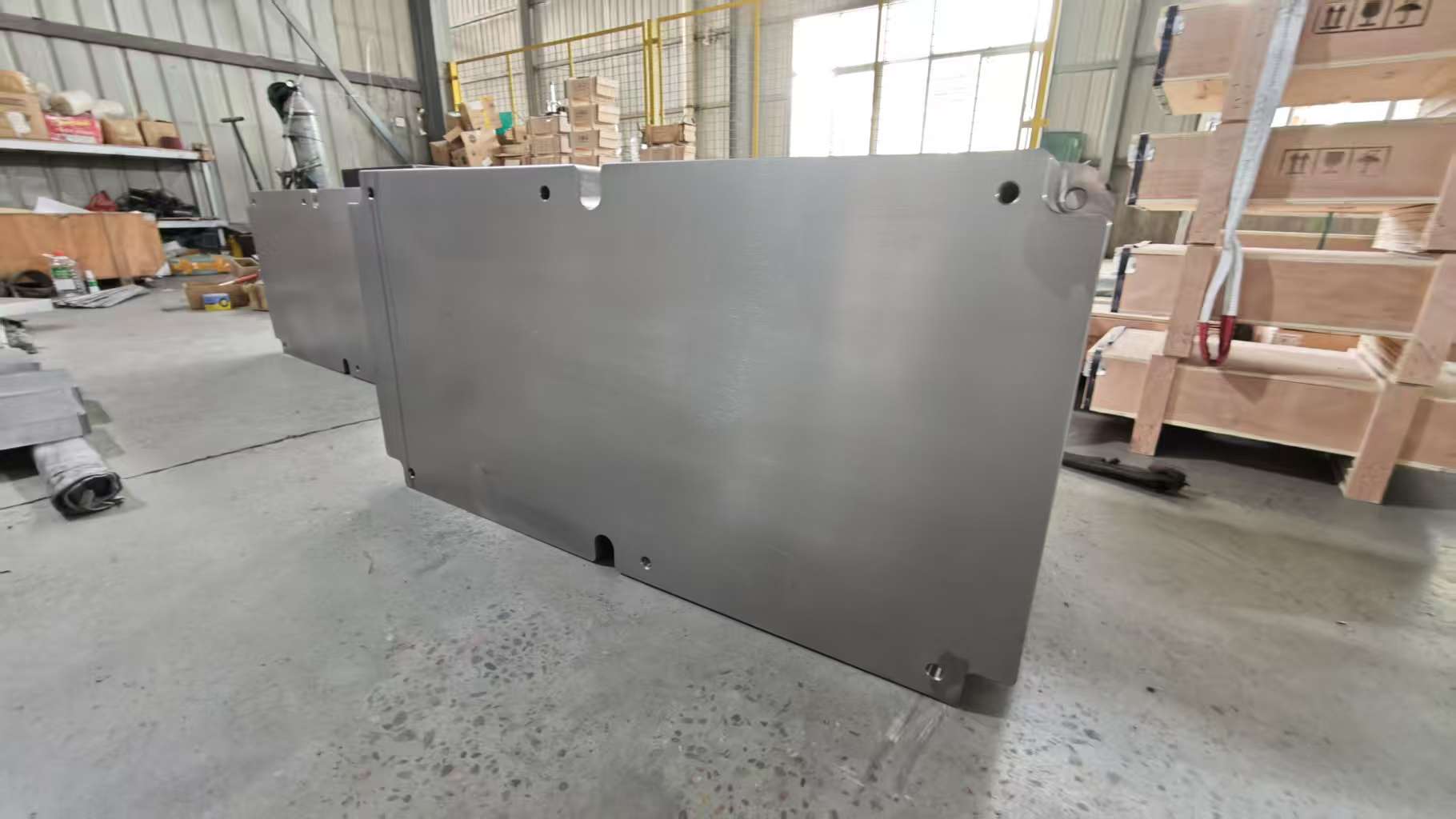
Titanium substrates are flat titanium base plates with strict flatness, purity and surface quality requirements. Thanks to titanium’s outstanding corrosion resistance, low density, stable chemical properties and excellent vacuum compatibility, titanium substrates have become an indispensable base carrier in many high-end manufacturing industries.
This guide introduces the core industries adopting titanium substrates, their application demands and recommended titanium grades for each scenario.
1. Semiconductor & Thin Film Coating Industry
This is one of the largest markets for high-purity titanium substrates.
Titanium substrates act as backing plates and carrier bases for sputtering, PVD, CVD and vacuum thin-film deposition processes.
The working environment requires ultra-low impurity content, high flatness, defect-free clean surface and stable performance under high vacuum. Grade1 (TA1) commercially pure titanium is the preferred material here.
Typical products include sputtering target backing substrate, wafer carrier and vacuum coating base plate.
2. Metal Additive Manufacturing (Metal 3D Printing)
Titanium build plates, also known as 3D printing titanium substrates, are widely used on SLM metal 3D printers.
During printing, metal powder melts and fuses onto the titanium substrate. The substrate must maintain high rigidity, good thermal conductivity, and allow easy part removal after printing. It needs to resist deformation caused by repeated laser heating.
Grade2 or TC4 (Grade5 Ti-6Al-4V) are commonly selected for this application.
3. New Energy Industry
In hydrogen energy, fuel cells and electrolysis equipment, titanium substrates serve as electrode carriers and reaction base plates.
Pure titanium can withstand long-term corrosion from electrolytes and acidic or alkaline working media. The core requirements are excellent corrosion resistance, uniform material composition and good electrical conductivity.
Grade1 and Grade2 pure titanium are widely adopted in this field.
Common applications cover fuel cell substrates, electrolyzer base carriers and energy storage electrode substrates.
4. Aerospace & Precision Optics
Aerospace sensors, optical instruments and precision detection components use titanium substrates as lightweight support bases.
Titanium features low weight and a stable thermal expansion rate, which effectively prevents substrate deformation under temperature fluctuation. Light weight and high dimensional stability are the main material demands.
Grade2 or TC4 alloy are popular choices for aerospace and optical components.
5. Chemical & Marine Corrosion-resistant Equipment
For chemical reaction vessels and seawater testing equipment, titanium substrates work as corrosion-resistant carrier plates.
Pure titanium can resist most acid, salt and seawater corrosion, which greatly extends the service life of components. Anti-corrosion performance is the primary consideration, and Grade2 CP titanium is the mainstream selection.
How to Choose Titanium Substrate by Industry
If your project is semiconductor or vacuum coating related, high material purity and ultra-clean surface are your priority, so Grade1 (TA1) is the best fit.
For metal 3D printing build plates, you need high rigidity and thermal stability, Grade2 or TC4 will meet your printing requirement.
New energy electrolysis projects focus on corrosion resistance, Grade1 or Grade2 pure titanium are suitable options.
Aerospace and optical applications require lightweight and stable dimension, Grade2 or TC4 alloy are recommended.
For chemical and marine working conditions with heavy corrosion, Grade2 titanium is the standard choice.
Procurement Checklist for Titanium Substrates
Confirm the applicable standard first; we supply products complying with ASTM B265, and material test certificates EN10204 3.1 /3.2 are available.
Specify key technical parameters before quotation, including thickness tolerance, flatness, surface finish and cutting size. Always match titanium grade to your industry working environment. Custom size cutting and surface treatment services are available.
Conclusion
From semiconductor coating to metal 3D printing and new energy sectors, titanium substrates solve unique material challenges for high-tech industries. Each industry has different requirements for purity, strength and surface quality, so proper grade selection is critical for your project.
Contact us for custom titanium substrate samples, data sheets and quotation.
Technical Guide5 min read·2026-09-14
Titanium Substrates: Key Industries & Application Overview
Discover the major industries that rely on titanium substrates. Learn the unique advantages of titanium substrate material, typical working requirements and grade selection guidance for semiconductor, 3D printing, new energy and other high-tech sectors.