1. Introduction
Titanium’s high strength-to-weight ratio, corrosion resistance, and biocompatibility make it a preferred material for 3C electronics, aerospace components, and medical devices. However, achieving a defect-free, ultra-smooth surface finish on titanium is challenging due to its high chemical reactivity, low thermal conductivity, and tendency to work-harden during machining. Ultra-precision polishing is a critical final step that not only enhances the aesthetic appeal of titanium parts but also improves their wear resistance, corrosion resistance, and functional performance. This guide walks through the key steps, quality controls, and best practices for titanium polishing.
2. Pre-Polishing Preparation
Before the polishing process begins, proper preparation is essential to avoid defects that cannot be removed later:
Deburring & Edge Preparation: Remove sharp edges, burrs, and tool marks left by CNC machining using precision deburring tools or tumbling.
Surface Cleaning: Degrease and clean the part to remove oil, coolant, and contaminants that can scratch the surface during polishing.
Inspection for Defects: Use visual inspection and non-destructive testing (NDT) to check for cracks, porosity, or material defects that may affect the final finish.
3. Step-by-Step Ultra-Precision Polishing Process
3.1 Coarse Grinding & Blanchard Grinding
The process starts with removing major surface irregularities and machining marks using coarse-grit abrasives. This step establishes a uniform baseline surface before moving to finer stages.
3.2 Intermediate Polishing (Fine Grinding)
Progressive grit sizes (from 240# to 800#) are used to eliminate scratches from the previous stage. Water-based coolants are critical here to prevent heat buildup, which can cause discoloration or thermal damage to the titanium surface.
3.3 Fine Polishing & Buffing
Using diamond pastes or specialized polishing compounds (1200# to 8000# grit), the surface is refined to a semi-bright finish. This stage requires controlled pressure and speed to avoid uneven material removal.
3.4 Final Ultra-Precision Polishing
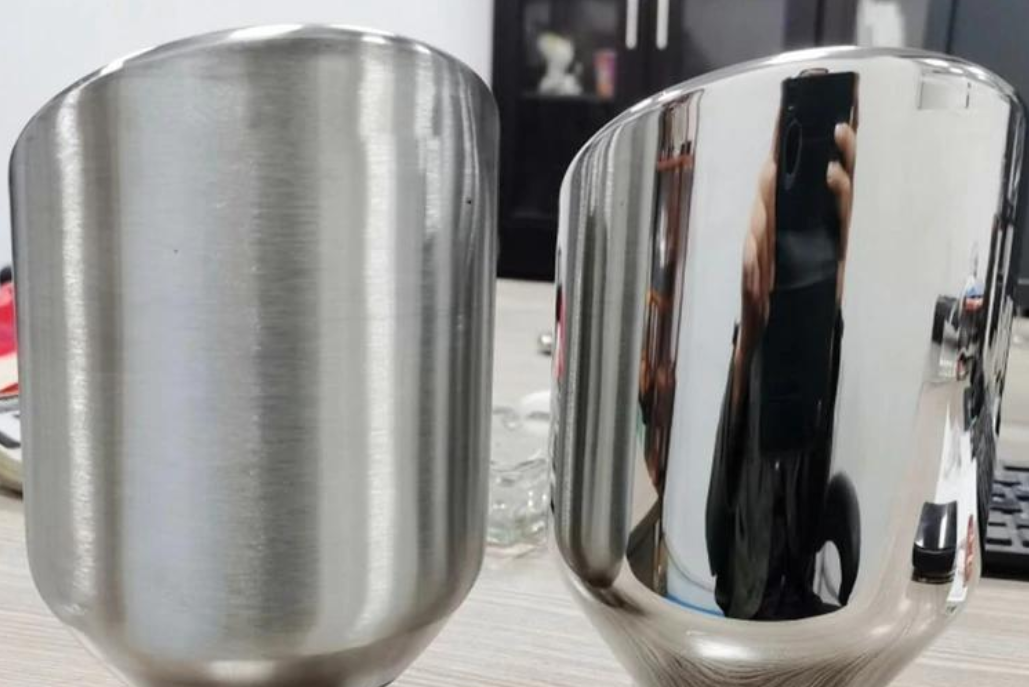
For mirror-like finishes (Ra < 0.05μm), specialized processes such as chemical mechanical polishing (CMP) or vibratory finishing with precision media are used. This step achieves the final surface roughness required for high-end applications like smartphone frames or medical implants.
4. Critical Quality Control Standards
Key metrics to verify polishing quality include:
Surface Roughness (Ra/Rz): Measured using a profilometer to ensure compliance with specifications (e.g., Ra 0.02–0.2μm for different applications).
Visual Inspection: Check for scratches, orange peel, pitting, or uneven finish under controlled lighting.
Dimensional Stability: Verify that polishing does not alter critical dimensions or tolerances of the part.
Corrosion Resistance Test: For applications requiring long-term durability, perform salt spray or humidity testing to confirm the polished surface’s protective properties.
5. Key Information to Prepare for RFQs
When sourcing polished titanium components, buyers should provide clear specifications to ensure accurate quotes:
Required Surface Roughness: Explicitly state Ra/Rz values or reference industry standards (e.g., ISO 1302).
Finish Type: Specify if the finish is matte, brushed, satin, mirror, or anodized after polishing.
Part Geometry: Provide CAD files and note critical dimensions that must remain unchanged during polishing.
Application Context: Mention if the part is for 3C electronics, medical devices, or aerospace, as this affects polishing tolerances and processes.
6. Conclusion
Ultra-precision polishing is a specialized process that directly impacts the performance and quality of titanium components. By following a structured workflow, implementing strict quality controls, and providing clear specifications during the RFQ stage, buyers can ensure their titanium parts meet the highest standards for both functionality and aesthetics.
Processing Guide4 min read·2026-05-27
Ultra-Precision Polishing of Titanium: Key Steps to Achieve High-Quality Surface Finishes
This comprehensive guide covers the full workflow of ultra-precision polishing for titanium materials, including key processing steps, quality control standards, and critical information buyers should prepare when submitting RFQs for polished titanium components.