Introduction
Titanium isn’t just for aerospace—it’s also revolutionizing high-performance and premium automotive engineering. Thanks to its exceptional strength-to-weight ratio, corrosion resistance, and heat tolerance, it’s found in several key car parts, where performance and durability are non-negotiable.
This guide breaks down the most common automotive applications of titanium, its benefits, and what buyers need to know about material selection and sourcing.
Common Car Parts Made of Titanium
Titanium’s properties make it ideal for these critical automotive components:
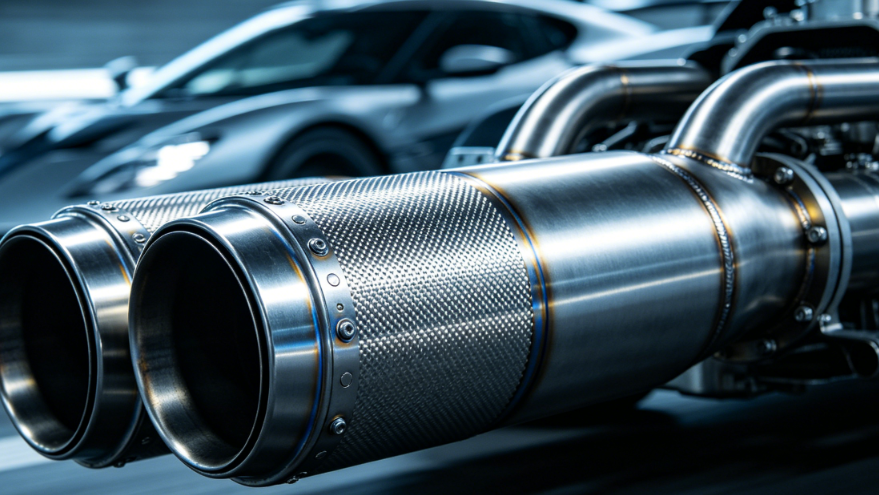
Exhaust Systems
Headers and Pipes: Titanium exhausts are a staple in performance cars. They’re significantly lighter than steel or stainless steel systems, reducing overall vehicle weight. They also handle high exhaust temperatures without degrading and resist corrosion from moisture and road salt.
Mufflers and Tips: Titanium mufflers offer a unique sound and a premium, long-lasting finish. They’re often found on sports cars and motorcycles.
Fasteners and Hardware
Bolts, Nuts, and Studs: Titanium fasteners are used in high-stress areas like engine mounts, suspension components, and brake systems. They’re lighter than steel fasteners while offering similar strength, which helps reduce unsprung weight for better handling.
Wheel Studs and Lug Nuts: Titanium lug nuts are popular in racing and performance applications for their light weight and corrosion resistance.
Suspension and Chassis Components
Valve Springs and Retainers: In high-revving engines, titanium valve springs and retainers reduce reciprocating mass, allowing the engine to rev higher and respond faster.
Connecting Rods and Pistons: While less common, titanium connecting rods and piston pins are used in top-tier racing engines to reduce weight and improve performance.
Other Specialized Parts
Brake Calipers and Components: Some high-performance brake systems use titanium pistons or caliper parts to reduce weight and improve heat dissipation.
Interior and Trim: Premium cars may use titanium for decorative trim pieces, thanks to its unique luster and scratch resistance.
Why Titanium Is Used in Automotive Applications
The benefits of titanium directly address key automotive challenges:
Weight Reduction: Every pound saved on parts like exhaust systems and fasteners improves fuel efficiency, acceleration, and handling.
Heat and Corrosion Resistance: Titanium can withstand the extreme heat of exhaust systems and engine components, while its oxide layer prevents rust, ensuring long-term durability.
Strength and Durability: Titanium parts are built to handle the stress of high-performance driving, making them ideal for racing and enthusiast vehicles.
Key Considerations for Buyers
If you’re sourcing titanium automotive parts, keep these factors in mind:
Grade Selection: Most automotive applications use Grade 5 (Ti-6Al-4V) for its high strength, while commercially pure (CP) titanium is used in parts where formability and corrosion resistance are more important.
Cost: Titanium parts are significantly more expensive than their steel or aluminum counterparts, so they’re typically reserved for performance or premium applications.
Processing and Welding: Titanium requires specialized welding and machining techniques. Work with suppliers experienced in automotive titanium components to ensure quality.
Certification: For racing or safety-critical parts, ensure the material meets relevant standards and specifications.
Conclusion
From exhaust systems to engine components, titanium plays a crucial role in modern automotive engineering, especially in high-performance and premium vehicles. Its unique properties allow for lighter, stronger, and more durable parts that enhance performance and longevity. While not practical for every application due to cost, titanium remains the material of choice where performance can’t be compromised.
FAQ4 min read·2026-06-09
What Car Parts Are Made of Titanium? Exploring Titanium's Role in Automotive Engineering
A practical CNBJTI answer to "What Car Parts Are Made of Titanium? Exploring Titanium's Role in Automotive Engineering", covering common applications in exhaust systems, fasteners, suspension, and engine components, key grade specifications, processing challenges, certification standards, and RFQ details buyers need to know.