Introduction
Titanium is a cornerstone material in modern aviation, prized for its unique combination of high strength, light weight, and exceptional corrosion resistance. From commercial airliners to military jets, it plays a critical role in making aircraft safer, more efficient, and capable of withstanding extreme conditions.
This guide explores where titanium is used in aircraft, its key benefits, and what buyers need to know about material selection, processing, and certification.
The Core Applications of Titanium in Aircraft
Titanium’s properties make it ideal for several key areas of an aircraft:
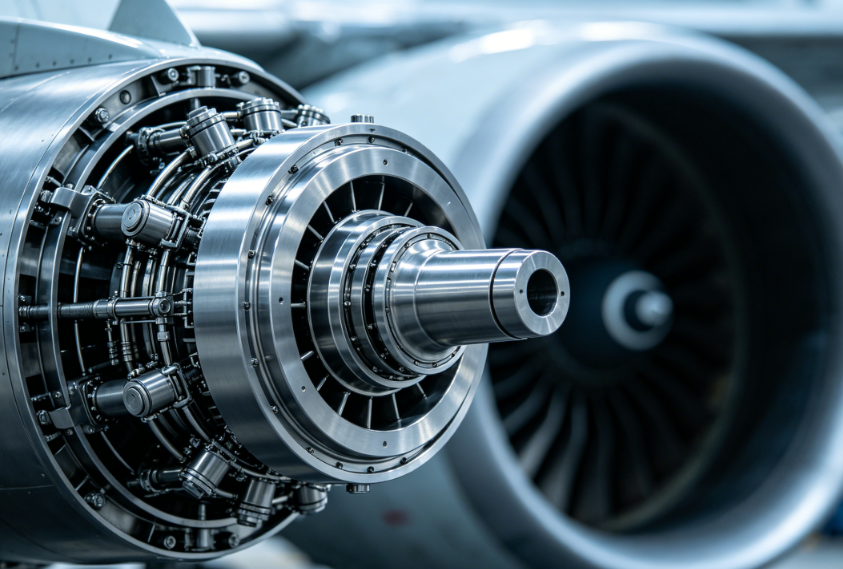
Jet Engine Components
High-Temperature Sections: Titanium alloys like Ti-6Al-4V are used in engine parts such as compressor blades, discs, and casings. They maintain their strength at the high temperatures generated by jet engines, while being significantly lighter than steel alternatives.
Exhaust Systems: Titanium’s corrosion resistance makes it perfect for exhaust components exposed to hot gases and moisture.
Airframe and Structural Parts
Wings and Fuselage: Titanium is used in critical structural components, including wing spars, bulkheads, and landing gear. Its high strength-to-weight ratio reduces overall aircraft weight, which improves fuel efficiency and payload capacity.
Military Aircraft: High-performance jets use titanium extensively in their airframes to handle the stresses of supersonic flight and high-G maneuvers.
Fasteners and Hardware
Critical Joints: Titanium bolts, nuts, and rivets are used throughout the aircraft, especially where weight reduction is key. They are stronger and lighter than steel fasteners, while also being corrosion-resistant.
Hydraulic and Pneumatic Systems: Titanium tubing and fittings are used in fluid systems, as they can withstand high pressures and are immune to corrosion from hydraulic fluids.
Why Titanium is Indispensable for Aviation
The benefits of titanium directly address the core challenges of aircraft design:
Unmatched Strength-to-Weight Ratio: Titanium alloys offer the strength of steel at nearly half the weight. Every pound saved on the airframe translates to better fuel economy, longer range, or increased payload.
Superior Corrosion Resistance: Unlike steel, titanium does not rust. This is critical for parts exposed to moisture, salt air, and de-icing fluids, reducing maintenance and extending component life.
High-Temperature Performance: Titanium maintains its structural integrity at temperatures where aluminum softens, making it essential for engine and exhaust components.
Fatigue Resistance: Titanium performs well under repeated stress cycles, a common occurrence in aircraft during takeoff, landing, and turbulence. This reduces the risk of fatigue failure.
Key Considerations for Buyers
If you’re sourcing titanium for aerospace applications, here’s what you need to know:
Grade Selection:
Ti-6Al-4V (Grade 5): The workhorse of aerospace, offering high strength and good heat resistance.
Commercially Pure (CP) Titanium: Used in non-structural parts like tubing and fasteners where corrosion resistance and formability are priorities.
Certification: Aerospace-grade titanium must meet strict standards like AMS 4911 (for Grade 5). Ensure the supplier provides full material traceability and test reports.
Processing: Titanium requires specialized machining and welding techniques. Work with suppliers experienced in aerospace components to avoid defects.
Cost: Titanium is more expensive than aluminum or steel, but its long-term performance and weight savings often justify the investment.
Conclusion
From the engine core to the airframe and every fastener in between, titanium is an essential material for modern aircraft. Its unique properties solve some of the most challenging problems in aviation design, enabling safer, faster, and more efficient flight. By understanding its applications and benefits, buyers can make informed decisions when sourcing titanium components for aerospace projects.
FAQ4 min read·2026-06-09
Where is Titanium Used in Aircraft? Exploring Key Applications and Benefits
A practical CNBJTI answer to "Where is Titanium Used in Aircraft? Exploring Key Applications and Benefits", covering its use in engines, airframes, and fasteners, key grade specifications, processing requirements, certification standards, and RFQ details buyers need to know.